How to Master Smart Home Organization in 2026?

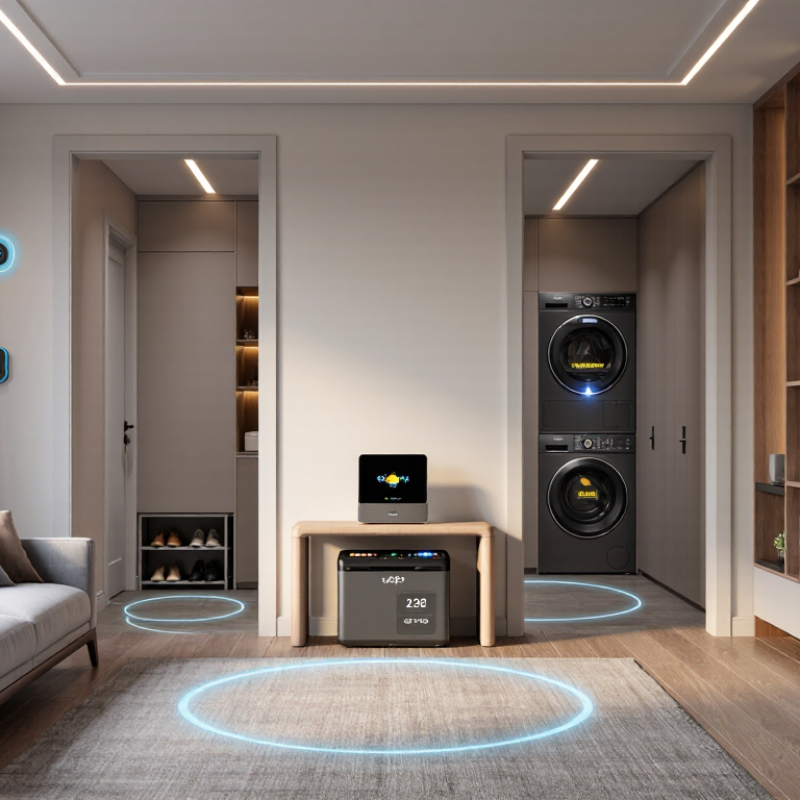
In 2026, smart home organization is no longer about collecting more connected devices. It is about creating a home that responds calmly, clearly, and reliably to daily routines. A well-organized system can dim hallway lights at bedtime, display tomorrow’s weather, and remind you when the laundry is finished. The best setup feels almost invisible.

Jennifer Tuohy, an experienced smart-home technology writer and product reviewer, offers a useful principle: “Technology should solve a problem, not create one.” That idea should guide every purchase. A motion sensor belongs where movement matters, not where an app recommends it. A voice assistant should reduce friction, not force repeated commands. Small choices matter.

Begin with real household behavior. Track where keys collect, which lights stay on, and when family members need reminders. Then group devices by purpose, room, and control method. Use consistent names, simple automations, and visible labels for hubs, chargers, and backup batteries. Keep critical routines functional without internet access whenever possible. Test each automation during an ordinary week.

Perfection is unrealistic.

A routine may fail when a guest arrives, a child changes a schedule, or a device loses power. That is not a reason to abandon the system. It is evidence that the design needs review. This guide explores practical layouts, dependable platforms, privacy-conscious settings, and maintenance habits for modern homes. It also questions a common assumption: more automation does not always mean better organization. Sometimes, one clearly marked switch works best.
How to Master Smart Home Organization in 2026?

Define Your Smart Home’s Needs, Zones, and Organization Goals

Smart home organization in 2026 should begin with daily needs, not device shopping. Ask what feels inconvenient, unsafe, or wasteful. Do you need calmer mornings, lower energy use, or better visibility after dark? The International Energy Agency’s Energy Efficiency 2024 report states that buildings consume about 30% of global energy. That makes energy management a practical planning goal, not a decorative feature. Define three measurable targets, such as reducing nighttime lighting, simplifying entry routines, or monitoring room temperature.

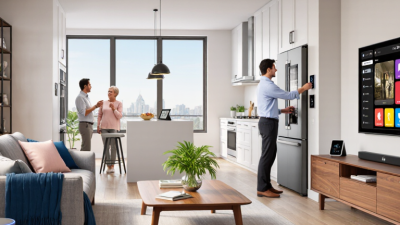
Create zones around activities rather than room names. A morning zone may include the bedroom, hallway, and kitchen. A security zone may cover doors, windows, and exterior lighting. Keep essential controls within easy reach. Use consistent labels, simple schedules, and manual alternatives. The U.S. Department of Energy reports that adjusting a thermostat by 7–10°F for eight hours can save up to 10% annually on heating and cooling. Still, automation can fail. My own setup became confusing when one schedule controlled too many rooms.

Tips: Map one zone on paper first. Place sensors where people actually move, not where installation looks neat. Test every routine for a week. Keep a visible switch or button available. Review alerts monthly, because excessive notifications become background noise. Deloitte’s 2024 Connected Consumer Survey highlights convenience, security, and energy management as major smart-home motivations. Your system should support those needs quietly. Perfect organization is unlikely. Useful organization is enough.
Audit Devices, Networks, Data, and Everyday Control Points

How to Master Smart Home Organization in 2026?

Audit Devices, Networks, Data, and Everyday Control Points

Smart home organization starts with a physical audit, not another purchase. Walk through each room and list every connected device, its purpose, location, and update status. IoT Analytics reported about 18.5 billion connected IoT devices worldwide in 2024. More devices create more confusion when nobody owns the routine. Remove unused sensors, duplicate controls, and forgotten accessories. I still find old devices in drawers, which shows how quickly systems become untidy.

Review the network like a professional maintenance task. Record which devices use Wi-Fi, which require a hub, and which depend on cloud services. Segment guest devices from important household equipment where possible. The National Institute of Standards and Technology recommends unique credentials, secure updates, and limited access for IoT products. Data deserves the same attention. Check what each device collects, where settings are stored, and who can access shared accounts. Privacy notices are often difficult to read. That is a design problem, but ignoring them remains a user risk.

Tips:

Label cables and device locations. Keep a one-page inventory. Schedule a quarterly update check. Test one everyday control point, such as the hallway light, during an internet outage. If it fails, write down the workaround. Small gaps matter. Deloitte’s 2024 Connected Consumer Survey shows continued growth in connected-home adoption, yet convenience can hide dependence. A smart routine should feel simple, but it should not become mysterious.

Design a Consistent Naming and Placement System for Every Device

How to Master Smart Home Organization in 2026?

A smart home becomes confusing when every device has a different name. Parks Associates reported in 2024 that roughly seven in ten U.S. internet households owned at least one smart-home device. More devices require better structure. I use a simple naming pattern: room, device type, and purpose. “Kitchen Light Ceiling” is clearer than “Light 7.” Keep names under four words. Voice commands become faster and more reliable.
Placement matters just as much. Store hubs near the network center, not behind metal cabinets. Keep sensors at visible, reachable points. Label chargers with small, removable tags. Assign each device to one room and one function.
The National Institute of Standards and Technology recommends clear device identification as part of stronger cybersecurity practices. A consistent inventory also makes updates and troubleshooting easier. I still make mistakes. A motion sensor near a sunny window may trigger falsely.

Tips: Create a shared device map. Use the same room names everywhere. Review the list every three months. Remove unused automations. Keep a printed backup for household members who dislike apps. Test names aloud from different rooms. If a command feels awkward, rename it. Simple wording usually wins.

Build Automated Routines, Permissions, and Maintenance Schedules

Smart home organization in 2026 depends on dependable routines, clear permissions, and regular maintenance.

In my own setup, I group routines by purpose, not by room. A “leaving home” routine locks doors, lowers heating, and checks open windows. A “night” routine dims lights and disables unnecessary alerts. Keep each routine short. Complex chains are harder to troubleshoot.

Permissions deserve careful planning. Give household members only the access they need. Guests can control shared lights, but they should not change security settings. Use separate profiles and review access after someone moves out. Keep access narrow. Test every permission from a secondary account. This simple check can reveal unexpected control.

Tips: Create a written routine map beside your main control device. Schedule a monthly review for batteries, sensors, cables, and network connections. Clean motion sensors gently, and record unusual alerts with dates and times. Automatic updates can improve reliability, but check critical routines afterward. I once ignored repeated false alerts from a hallway sensor, assuming the problem would disappear. It did not. A loose mount caused the issue. Build in manual controls for outages, and keep essential lights and locks usable without automation. Some routines will fail occasionally, so design for recovery rather than perfection.

Review, Secure, and Improve Your Smart Home Organization Over Time

How to Master Smart Home Organization in 2026?

Smart home organization needs regular review, not a one-time setup. IDC reported 892.3 million smart-home devices shipped worldwide in 2024. More devices create more routines, accounts, alerts, and forgotten settings. I review my system every three months. I check each device, its purpose, and its last update date. A motion sensor in an empty hallway may be unnecessary. An old tablet may still control the front door camera.

Security deserves the same attention as convenience. I use unique passwords, multi-factor authentication, and automatic firmware updates whenever available. NIST recommends separating connected devices from sensitive personal systems through network segmentation. A guest network can keep a basic light controller away from work files. I also remove unused permissions and delete inactive accounts. My own setup is not perfect. I once kept three overlapping routines for one lamp. That caused repeated alerts at night.

Tips: Label devices by room and function. Keep a simple inventory with purchase dates, permissions, and update status. Test emergency controls manually each month. Review recorded data and retention settings. IoT Analytics estimated 18.8 billion connected IoT devices worldwide in 2024, so forgotten access can multiply quickly. Keep printed recovery instructions in a secure place. Test them before a power outage.

1 5