Simple Home Organization Ideas You Need for a Clutter Free Space?
Home organization is crucial for maintaining a peaceful and efficient living space. Renowned expert Marie Kondo states, “The best way to find out what we really need is to get rid of what we don’t.” This insight drives many to seek effective home organization ideas to untangle their clutter. A clutter-free space enhances productivity and reduces stress.
Implementing simple home organization ideas can bring transformation and clarity to your life. Start with small changes, like decluttering your kitchen drawers or organizing your closet. Visualizing the results can motivate and inspire further action. Remember, perfection isn't the goal; progress is what matters. Every little step helps build a harmonious environment.
While some may find it daunting, embracing the journey is vital. Each attempt at organization teaches valuable lessons. Reflect on what works and what doesn’t. Home organization is a personal journey, not a one-size-fits-all solution. It’s about discovering what makes your space feel right for you. Take heart; even small changes can create significant impacts.
Essential Principles of Home Organization for a Clutter-Free Space
Creating a clutter-free space starts with understanding essential principles of home organization.
One key principle is the
"one-in, one-out" rule. This means for every new item you bring into your home, an old item should leave.
It’s a simple way to prevent accumulation. Assess what you truly need and let go of items that no longer serve you.
This practice can feel difficult but becomes rewarding over time.
Another critical aspect is categorization. Group similar items together in a designated area.
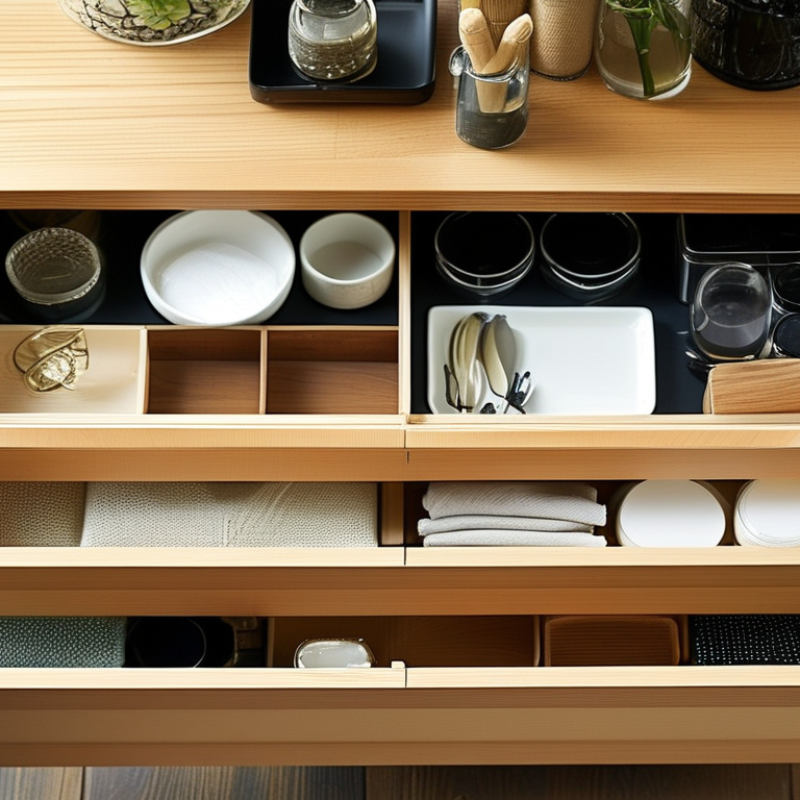
For example, kitchen utensils can have their own drawer. Create zones in your home.
This prevents random clutter from spreading. However, it’s easy to overlook which items belong where.
Reflect on your habits and adjust zones as needed. Regular evaluations keep your space organized and functional.
Lastly, utilize vertical space.
Shelving and hooks can significantly reduce clutter on surfaces.
A well-placed shelf transforms a nook. Yet, it's important to keep these spaces tidy.
An overloaded shelf can become another source of chaos. Balance is essential.
Adopting these principles may take time and effort. Mess can still happen. Embrace the process and adjust your systems as you learn what works best for you.
Decluttering: Evaluating What to Keep and What to Discard
Decluttering can feel overwhelming. Start by assessing each item in your home. Ask yourself, “Do I really need this?” If it holds no purpose or joy, consider letting it go. Be honest with yourself. Some items may carry memories but only clutter your space. Acknowledge their sentimental value, but don’t let it hinder your progress.
Break down your clutter into smaller tasks. Tackle one room at a time. Set a timer for 30 minutes. Focus entirely on that space. You’ll be amazed by how much you can sort through in a short time. Organize items into three categories: keep, donate, and discard. This method simplifies decision-making and reduces indecision. Don’t forget to revisit difficult choices. Reflect on why you hesitated; it can offer insight into your attachment.
Finally, embrace imperfection in the process. A clutter-free environment doesn't happen overnight. It's a journey of ongoing evaluation. You may miss some items later, but remember: your well-being matters more. Create a space that supports your life today, not just your memories from the past.
Effective Storage Solutions for Maximizing Small Spaces
Maximizing small spaces can seem daunting, but effective storage solutions make it achievable. According to a study by the National Association of Professional Organizers, 54% of respondents feel overwhelmed by the clutter in their homes. This challenge highlights the need for organization strategies that create a clutter-free environment.
Tips: Use vertical storage. Shelves above furniture free floor space and help organize items. This simple adjustment gives you more room for creativity.
Consider multi-functional furniture. A bench with hidden storage or a bed with drawers saves space. The right design choices can transform a cramped area into a functional sanctuary. Remember, sometimes less is more; avoid over-furnishing to maintain openness.
Utilizing clear bins can also help. They allow you to see contents, preventing forgotten items from piling up. Research from the Institute of Challenging Disorganization shows that visual access to stored goods reduces stress. Embrace the art of organization, making imperfect spaces feel welcoming and functional.
DIY Organizational Tools to Enhance Home Efficiency
Creating a clutter-free space starts with effective DIY organizational tools. These tools can streamline your daily tasks and enhance your home efficiency. For instance, consider using mason jars to store office supplies. Clear containers allow you to quickly identify contents while keeping your workspace tidy. Label each jar for easy access.
Crafting a pegboard in your kitchen can revolutionize your cooking area. Hang utensils, spice jars, and even pots. This method frees up counter space and encourages creativity. A disorganized kitchen can lead to chaos during meal prep. A pegboard minimizes the clutter and adds a unique touch.
Think about upcycling old crates as storage. Stack them to create shelves or use them to organize books and toys. This approach maintains a rustic vibe while serving a practical purpose. Note that not every crate may be suitable for visible storage. Some may require a fresh coat of paint or careful placement to avoid looking messy. Keep experimenting until you achieve the desired effect. These simple ideas can lead to a more organized and functional home.
Simple Home Organization Ideas You Need for a Clutter Free Space
| Organization Tool |
Description |
Room Use |
Cost Estimate |
| Storage Bins |
Clear plastic bins for visible storage and easy accessibility. |
Living Room, Garage |
$10-$30 |
| Wall-Mounted Shelves |
Great for displaying decor and maximizing vertical space. |
Bedroom, Study |
$40-$100 |
| Drawer Organizers |
Dividers to keep drawers tidy and categorized. |
Kitchen, Office |
$15-$50 |
| Hanging Organizers |
Closet organizers that hang to save floor space. |
Closet, Entryway |
$10-$25 |
| Label Makers |
Automatically print labels for easy identification of items. |
All Rooms |
$20-$60 |
Creating Maintenance Routines for Long-Term Organization Success
Maintaining an organized home requires consistent routines. Establish daily habits for tidying up. Spend just 10 minutes each day decluttering high-traffic areas. This quick action helps prevent accumulation and overwhelming messes. Every evening, put items back in their designated places. This will make your mornings smoother and more enjoyable.
Consider weekly check-ins. Dedicate time to tackle larger areas, like your closet or garage. Allocate at least 30 minutes for this. You may need to face tough choices about items you no longer use. Reflect on whether things bring you joy or simply take up space. Document your progress; seeing what you achieve can motivate you.
Plan seasonal deep cleanings. These should include your entire living space. Dust off furniture, sort through papers, and clear out seasonal items. Use this time to assess your organizational systems. Are they effective, or do they require adjustment? Embrace flexibility in your routines as your needs may change. Getting organized is a journey, not a destination.