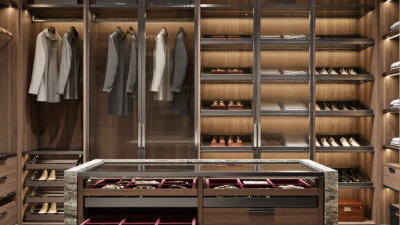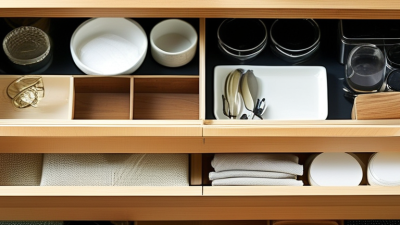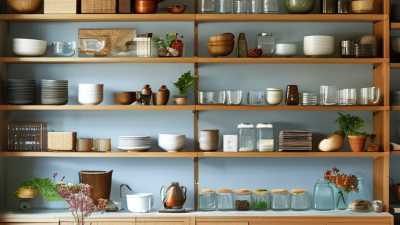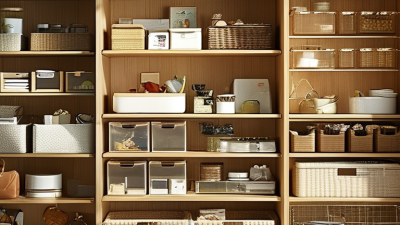
China’s homes are changing, and storage must change with them. The National Bureau of Statistics reported that China’s urbanization rate reached 66.16% in 2023. Smaller apartments now demand better use of every wall, corner, and vertical surface. A 600-millimeter wardrobe depth may work for hanging shirts, but sliding doors can protect valuable floor space. These practical details shape the best closet storage ideas for Chinese households.
Industry reports support this shift. iiMedia Research’s recent analysis of China’s whole-house custom furnishing market highlights rising interest in tailored interiors and integrated storage. Statista Market Insights also identifies furniture and home improvement as significant consumer markets in China. However, these reports rarely measure closet organization directly. That limitation matters. Storage preferences can differ sharply between a compact Shanghai apartment and a spacious suburban home.
The strongest solutions combine local living habits with measurable design logic. Adjustable shelves can hold handbags, folded sweaters, and storage boxes without wasted gaps. Pull-down rails help users reach high compartments safely. Narrow drawers can separate jewelry, belts, and seasonal accessories. Ventilated shoe cabinets may reduce odor in humid regions. Yet, not every imported system fits Chinese wardrobes or budgets. Careful measurement remains essential.
This guide examines top closet storage ideas in China through space efficiency, accessibility, material quality, and long-term value. It considers custom wardrobes, modular units, sliding systems, and smart lighting. The goal is not to promote one perfect layout. Real homes are messier than showroom displays. Practical storage should still work on a busy Monday morning.
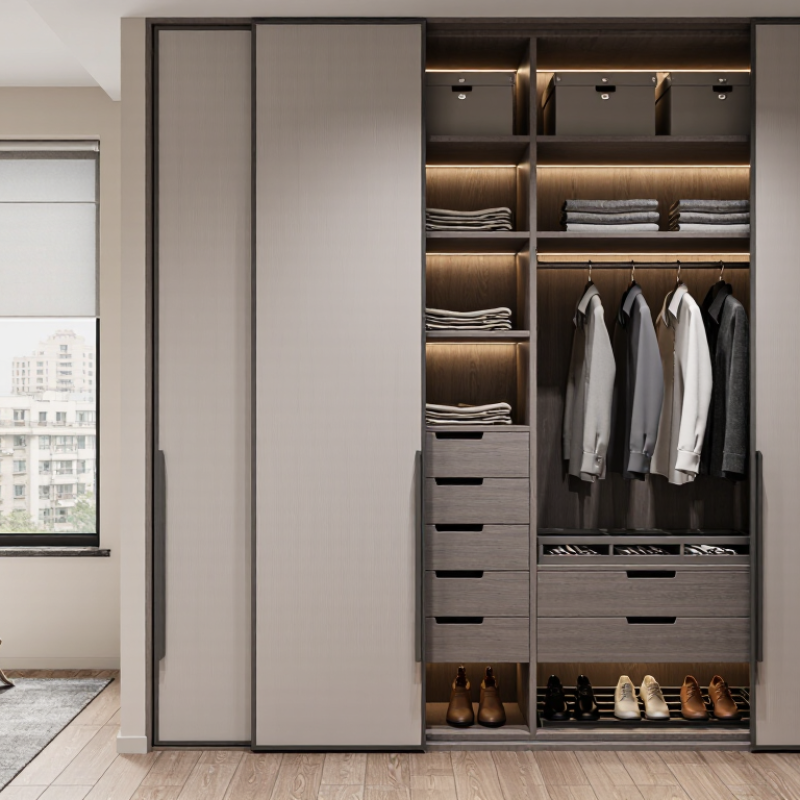
Closet storage is the planned use of shelves, hanging rails, drawers, and vertical space for clothing and household items. In China, it often appears in bedrooms, compact apartments, and entryways. Space is expensive. A well-designed closet keeps garments visible, reduces dust, and makes daily dressing faster. It also protects fabric from damp air, especially during the rainy season in southern cities.
Good storage must fit local living patterns. Many households store winter coats, bedding, shoes, and seasonal quilts in the same room. Sliding doors can save walking space, while adjustable shelves handle changing family needs.
In a narrow Beijing apartment, a full-height cabinet may use the wall efficiently. In a humid Guangzhou home, ventilation gaps and moisture-resistant panels deserve more attention. Materials should be checked for stable construction and low indoor emissions. Hardware needs to carry real loads, not just look polished.
Safety is easy to overlook. Heavy items belong on lower shelves, and tall units should be securely anchored. Soft-close hinges reduce trapped fingers and nighttime noise. Small errors matter. A shelf placed too high may become useless, while poor airflow can leave clothes smelling stale. I also question the habit of filling every centimeter. Empty space helps cleaning and allows future changes. Measuring door swings, skirting boards, and electrical points before installation prevents expensive adjustments. That sounds simple, but rushed projects often miss it.
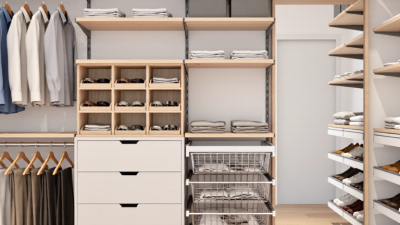
Closet storage in China often begins with the room’s shape, humidity, and daily habits. The main systems include built-in wardrobes, modular units, walk-in closets, and freestanding cabinets. Built-in wardrobes use floor-to-ceiling space efficiently. They work well in compact apartments, where every centimeter matters.
Modular systems offer adjustable shelves, hanging rails, drawers, and pull-out baskets. A household can change the layout when clothing needs change. Walk-in closets provide clearer zones for shirts, coats, shoes, and luggage. However, they require more floor space and careful ventilation. Freestanding cabinets are easier to move, but they may leave unused gaps beside walls. That small gap collects dust.
Open systems make clothing visible and easy to reach. They suit people who organize clothes frequently, but dust can become a daily problem. Closed systems protect garments better, especially during humid seasons. Wall-mounted rails and shelves are useful for accessories, folded items, and small bedrooms. They also keep the floor open for cleaning.
From practical installation experience, adjustable components usually provide better long-term value than fixed shelves. Measure wall width, ceiling height, door clearance, and electrical points before ordering. Moisture-resistant boards and stable hardware deserve close attention in humid regions. I once underestimated shoe storage, and the lower cabinet became crowded within weeks. That mistake still influences my planning. A beautiful system can fail when it ignores real routines.
The chart compares typical cabinet depths used for major closet storage systems. Reach-in and walk-in closets commonly use approximately 60 cm of depth for hanging garments, while freestanding wardrobes and modular panel systems often use about 55 cm.
Chinese homes often need closets that save space without making daily dressing difficult. Compact apartments benefit from full-height storage, especially beside bedrooms or living areas.
Measure the wall, ceiling height, and door swing before choosing cabinet dimensions. A narrow upper section can hold luggage, quilts, and rarely used winter coats. Adjustable shelves are more useful than fixed compartments because family needs change.
Many Chinese households rotate clothing by season. Keep everyday shirts between waist and eye level, where they are easy to reach. Store summer clothes in breathable fabric boxes during colder months.
Vacuum bags save space, but they can flatten wool and trap moisture if stored carelessly. In humid southern cities, ventilated containers and moisture control are practical choices. Leave a small gap behind stored items.
Airflow matters.
Shared bedrooms need flexible layouts. A double-hang rail can separate shirts and trousers while using the same vertical area. Drawers work well for socks, underwear, and folded accessories.
In children’s rooms, low shelves encourage independent organization, though they may become untidy quickly. That is normal. A perfectly arranged closet is rarely maintained in a busy household. I would avoid filling every corner; unused space makes cleaning easier and allows future adjustments. Sliding doors can save floor space, but they may limit access to half the closet at one time. Hinged doors offer a wider view, yet require clear walking space.
China’s compact apartments make closet planning a practical design problem. The China Statistical Yearbook 2023 recorded about 38.3 square meters of urban residential floor space per person in 2022. Every cabinet depth matters. In my project experience, a 550–600 mm deep hanging zone fits adult clothing comfortably, while 350–450 mm shelves reduce wasted corners. Measure skirting boards, doors, sockets, and ceiling beams before drawing the layout. Many plans fail here.
Material choice should match humidity, load, and cleaning habits. Moisture-resistant plywood suits bedrooms near kitchens or bathrooms, but sealed edges remain essential. Medium-density fiberboard offers smooth finishes, yet damaged surfaces can absorb moisture quickly. Ask for panel test documents and confirm compliance with current Chinese indoor-air-quality and formaldehyde standards. The 2024 China Smart Home Industry Development White Paper highlights growing consumer interest in connected home functions. Still, a sensor is not a substitute for ventilation, safe wiring, or durable hinges.
A useful layout separates long garments, folded clothing, shoes, and seasonal storage. Keep frequently used items between 700 and 1,600 mm from the floor. Add adjustable shelves rather than fixing every opening permanently. Soft-close drawers, pull-down rails, and warm lighting improve daily use, especially for older residents. However, more features increase maintenance points and cost. I sometimes overdesign wardrobes; simpler interiors often work better. Test the handle height with real users before installation. Four doors may look balanced, but two wider doors can block circulation in a narrow bedroom.
Installing closet storage in a Chinese apartment starts with accurate measurement. Record the wall width, ceiling height, door swing, and nearby sockets. Leave enough clearance for drawers and hangers to open comfortably. For wall-mounted rails, locate solid studs or use anchors rated for the wall material. Concrete, brick, and lightweight partition walls need different fasteners. Follow the storage system’s load guidance, especially for shelves holding shoes or folded bedding. Never rely on adhesive alone for heavy items. That mistake is costly.
Organize clothes by daily use, season, and length. Keep workwear near eye level, while rarely used quilts can go on upper shelves. Slim dividers prevent piles from falling forward. Clear containers make small accessories easier to find, but do not overfill them. A little empty space matters. My first layout looked efficient, yet the crowded lower section made cleaning difficult. I would now reserve a narrow area for a vacuum, laundry basket, or folding stool.
Maintenance is simple but should be regular. Wipe shelves with a slightly damp cloth, then dry them fully. In humid southern areas, inspect corners for condensation, mildew, or swollen wood. Improve airflow before storing leather, wool, or damp clothing. Every few months, tighten loose screws and check whether shelves have started to bend. If doors scrape or rails become noisy, correct the alignment early. Small problems rarely repair themselves.