China Top Closet Design Trends for Global Buyers?
As global buyers seek innovative solutions, understanding closet design trends from China becomes essential. The country has emerged as a leader in the furniture market, particularly in closet design trends. With a unique blend of modern aesthetics and functional practicality, Chinese designers are setting the bar high.
These trends often emphasize modularity, allowing for personalized arrangements that suit various lifestyles. Bright colors and minimalist styles dominate the scene, but some designs challenge traditional notions of space. On the surface, these innovations may seem impressive, yet there’s a depth to consider. While certain trends focus on visual appeal, they may sacrifice storage efficiency.
Engaging with these closet design trends invites reflection on your own needs. Are you prioritizing style over function? Can you truly maximize your space? Understanding these nuances will empower buyers to make informed choices, blending beauty with practicality in their purchasing decisions.
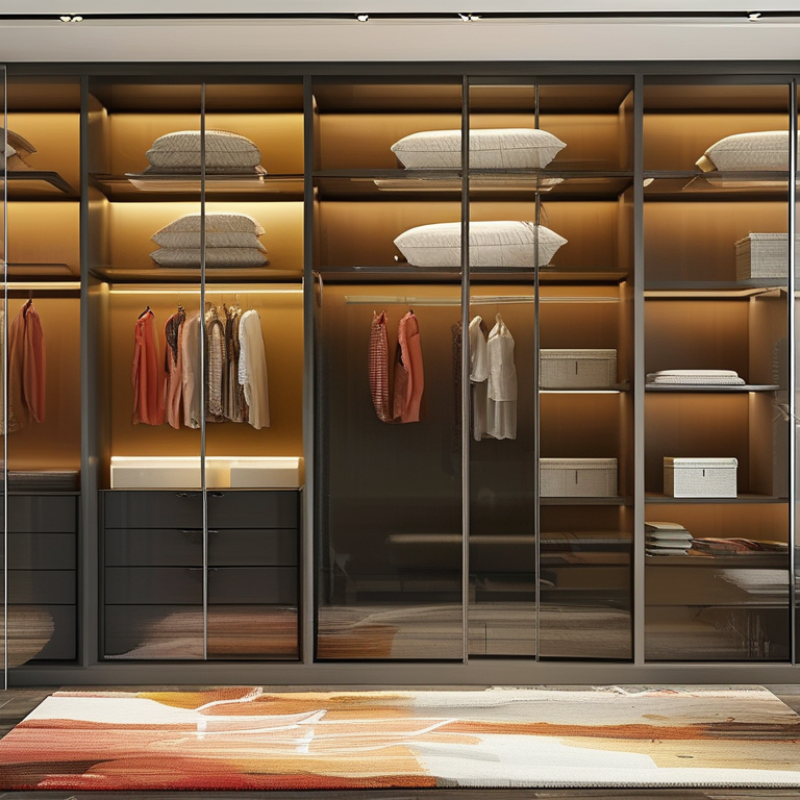
Emerging Trends in Closet Design Preferences Among Chinese Consumers
Chinese consumers are increasingly valuing personalization in closet design. A recent industry report indicates that over 65% of buyers prefer custom solutions tailored to their specific needs. This shift is driven by a desire for unique aesthetics and better functionality in small urban spaces.
Sustainability is another key trend. Consumers show a growing preference for eco-friendly materials. Research suggests that over 55% of potential buyers consider sustainability essential in their purchase decisions. However, sourcing sustainable products often leads to higher costs, creating a challenge for both consumers and manufacturers.
Moreover, technology integration in closet design is gaining traction. Smart features, like automatic lighting and inventory tracking, appeal to tech-savvy buyers. Yet, not everyone is comfortable with these advancements. Some consumers express concerns about complexity and maintenance. Balancing innovation with usability remains crucial.
Impact of Minimalism on Closet Designs in China: A Growing Trend
Minimalism is reshaping closet designs in China. This trend emphasizes functionality and simplicity. Many homeowners now prefer clean lines and a clutter-free environment. The focus is on streamlined designs that enhance rather than overwhelm spaces.
Tip: Consider open-concept closets. These designs not only save space but also make everyday access easier. Using a neutral color palette can create a sense of calm. Think whites, grays, and soft pastels, which are visually appealing and promote relaxation.
The rise of minimalist designs does pose challenges. Consumers often find it hard to let go of possessions. It requires a mindset shift towards fewer items. Embracing minimalism means prioritizing quality over quantity. Reflect on your essentials and choose carefully.
Tip: Use multifunctional storage solutions. Items that serve more than one purpose can preserve space. For example, ottomans with compartments or shelves that include a desk can maximize efficiency. Minimalism doesn't just change appearances; it changes lifestyles, too.
Sustainability in Closet Design: Eco-Friendly Materials Gaining Popularity
Sustainability is rapidly changing the landscape of closet design. Eco-friendly materials are becoming more popular among global buyers. Reports indicate that 60% of consumers prefer sustainable products, reflecting a growing awareness of environmental issues. These materials include reclaimed wood, bamboo, and recycled metal, all of which have a lower ecological footprint. Designers are increasingly prioritizing functionality and aesthetics while ensuring their choices are green.
For those looking to create a sustainable closet, consider using bamboo. It is a fast-growing resource and helps reduce deforestation. Reclaimed wood adds unique character and history to designs. Moreover, opt for low-VOC paints. These not only enhance indoor air quality but also minimize harmful emissions.
Achieving sustainability is not without its challenges. Sourcing high-quality eco-friendly materials can be difficult. There might be limited options in some regions. Buyers should also be aware of the cost factor. Eco-conscious choices may initially be pricier but can lead to long-term savings. Remember, small changes contribute to a larger impact. Prioritize sourcing materials that offer durability and style, ensuring they fit seamlessly with your design vision.
China Top Closet Design Trends for Global Buyers
This chart illustrates the top closet design trends in China as identified by global buyers, with eco-friendly materials leading the way in popularity. Custom designs and smart storage solutions also show significant interest, highlighting the diversity in consumer preferences.
Integration of Smart Technology in Closet Designs: A Key Focus Area
Closet designs in China are evolving rapidly, especially with the integration of smart technology. This trend is becoming essential for global buyers seeking modern solutions. Smart features enhance convenience and functionality in closet spaces. For instance, automated lighting systems can make locating clothing easier and more efficient.
Tips: Consider installing motion detectors for automatic lighting. This can save energy and provide a hands-free experience.
The incorporation of technology also reflects personal preferences. Customizable shelving and organizational tools can be controlled via smartphone apps. This allows users to optimize their closet space based on their habits and lifestyle. However, it’s crucial to ensure compatibility between devices. Sometimes, users experience connectivity issues that can be frustrating.
Tips: Research technology options before purchase. Check for user reviews on compatibility for a smoother experience.
Overall, the blend of design and smart features is reshaping closets in a way that appeals to modern sensibilities. As trends continue to emerge, buyers can expect even more innovative solutions in the future.
Influence of Global Design Trends on Chinese Closet Innovations
In recent years, global design trends have increasingly influenced Chinese closet innovations. Designers in China are now merging functionality with aesthetics. Modern closets emphasize minimalism and clean lines, reflecting a shift towards simpler, more organized spaces. This change aligns with global preferences for open and airy designs. Elements like sliding doors and modular configurations have gained popularity.
Additionally, sustainability is becoming a focal point in the Chinese market. Global awareness around eco-friendly materials has encouraged local manufacturers to rethink their supply chains. There is a noticeable rise in the use of recycled and sustainable materials. This shift, however, presents challenges. Not all manufacturers have the resources to fully adopt sustainable practices.
The impact of color trends cannot be overlooked. Soft tones and natural hues are on the rise, inspired by Western designs. However, some designers struggle to balance these trends with traditional Chinese aesthetics. As the market evolves, the challenge lies in adapting these global influences while retaining cultural identity. This ongoing dialogue will shape the future of closet design in China.