Top Home Decluttering Tips for a Cleaner Space Today?
In today's fast-paced world, clutter can quickly take over our homes and lives. According to professional organizer Marie Kondo, “The space you live in should be restorative and inspiring.” This quote emphasizes the importance of an organized environment. It resonates perfectly with essential home decluttering tips.
Effective decluttering creates more than just a tidy space; it fosters peace and productivity. Yet, many struggle to let go of items. Sentimental attachments often hold us back. Sometimes, we keep things out of fear of needing them later. A thoughtful approach can break this cycle. Each item should serve a purpose or bring joy.
Prioritizing decluttering can feel overwhelming. Small steps matter. Consider dedicating just 10 minutes each day to a specific area. Gradually, you’ll notice significant change. Every little effort counts. By embracing these home decluttering tips, we can transform our surroundings into a haven of clarity and inspiration. Reflect on what truly enhances your space, and let go of the rest.
Essential Benefits of Decluttering Your Home for a Healthier Life
Decluttering your home offers essential benefits for a healthier life. A study by the National Institute of Mental Health reveals that clutter can elevate stress levels by 30%. It can disrupt your focus and impact your emotional well-being. By organizing your space, you create a soothing environment that promotes better mental health.
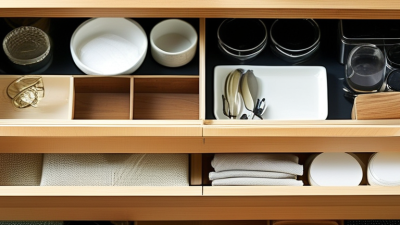
Start with small areas. Tackle one drawer or shelf at a time. This manageable approach prevents overwhelm. Experts suggest the 80/20 rule: 80% of your use comes from 20% of your belongings. Identify what truly adds value to your life. If an item doesn’t spark joy, consider letting it go.
A clutter-free home can improve sleep quality. Researchers find that an organized bedroom can reduce anxiety, leading to more restful sleep. Invest time in creating systems for storage and organization. Use clear bins and labels for easy access. Keeping a clean space may result in healthier habits and less procrastination, leading to a more productive life.
Step-by-Step Guide to Creating a Decluttering Plan That Works
Creating a decluttering plan can feel overwhelming. Start small. Choose one room or area for your first task. Break it down into sections. For instance, focus on a single drawer or a shelf. Set a timer for 15 or 30 minutes. This keeps the process manageable and less daunting.
Make use of three containers: keep, donate, and discard. As you sort through items, be honest about what you truly need. If you haven’t used something in six months, consider letting it go. This practice encourages reflection on what adds value to your space. Designate a specific spot for items to be donated to streamline the process.
Review your progress weekly. Reflect on what worked, and what didn’t. Adjust your plan as needed. Perhaps you realize you need more time or a different approach. It’s okay to struggle at times. Decluttering is a journey, not a race. Embrace the imperfections and enjoy the process of creating a cleaner, more organized space.
Effective Techniques for Sorting and Organizing Your Belongings
Decluttering can feel overwhelming, but effective sorting and organizing techniques make it manageable. A National Association of Professional Organizers report reveals that 55% of Americans feel overwhelmed by their clutter. Start by focusing on one room or space. This helps prevent burnout and allows for visible progress.
Try the four-box method: keep, donate, discard, and relocate. Each box serves a clear purpose, helping you to categorize items. Studies show that physically handling items increases decision-making clarity. This tactile process encourages deeper reflection on what truly adds value to your life.
Consider the 90/90 rule: if you haven’t used an item in the last 90 days and won’t use it in the next 90 days, let it go. This rule helps you evaluate items based on necessity and usage. However, many struggle with sentimental items. Emotional attachment can cloud judgment, so take time to reflect on these items thoughtfully. It’s okay to revisit difficult decisions later. Balancing emotion with practicality is key to creating a cleaner space.
Top Home Decluttering Tips for a Cleaner Space Today
| Tip |
Description |
Category |
Estimated Time |
| One in, One out |
For every new item you bring in, remove one existing item. |
General |
5 minutes |
| Designate a Declutter Zone |
Choose a spot in your home to organize and sort your belongings. |
Organization |
15 minutes |
| The Four-Box Method |
Label four boxes as 'Keep,' 'Donate,' 'Trash,' and 'Storage.' |
Sorting |
30 minutes |
| Digital Declutter |
Clean up your devices by deleting unused apps and files. |
Digital |
20 minutes |
| Set a Timer |
Work on decluttering for a set time to stay motivated. |
Motivation |
30 minutes |
Tips for Maintaining a Clutter-Free Environment Long-Term
Creating a clutter-free environment requires consistent effort. A study by the National Association of Professional Organizers found that 54% of people feel overwhelmed by clutter. To maintain an organized space long-term, start by establishing daily habits. Allocate just 10 minutes each day for tidying up. These small bursts of activity can bring significant improvements over time.
Regularly reassess your belongings. Every few months, evaluate what you really need and use. According to research, 80% of the items we own are rarely used. Consider donating or disposing of items that no longer serve a purpose. This reflection helps you stay focused on what truly matters in your space.
Involve every family member in the process. Teamwork fosters accountability and keeps clutter at bay. Create designated zones for different activities. Limit the items in each zone to encourage mindful consumption. Remember, progress may be slow, and that’s okay. Celebrate small victories along the way. Each step contributes to a cleaner, more functional environment.
How to Involve the Whole Family in the Decluttering Process
Involving the whole family in the decluttering process can make a huge difference. Start by setting a designated decluttering day. Make it a fun family event. Bring snacks and play some music to lighten the mood. Your kids will likely engage better if they see decluttering as enjoyable.
Provide everyone with clear responsibilities. Assign tasks based on age and capability. Younger children can sort toys, while teenagers could tackle their closets. This gives everyone a sense of ownership. It also encourages teamwork. Regular discussions about items can spark memories, making it easier to let go of things.
Create a reward system to keep motivation high. Offer small incentives for completing tasks. Celebrate the victories, no matter how small. Remember, perfection is not the goal. Expect some debates over certain items. Allow for discussions. This process can deepen family bonds, even through disagreements. Encourage everyone to reflect on what they really need versus what they hold onto.