What Is Smart Home Organization for Global Buyers?
Smart home organization is more than placing connected devices in attractive rooms. It is the practical design of sensors, appliances, controls, and daily routines. For global buyers, that design must work across languages, homes, budgets, and technical standards.
Julie Morgenstern, a respected professional organizer, once said, “Clutter is not just physical stuff. It’s anything that gets between you and the life you want to be living.” Her insight applies strongly to connected homes. Too many apps, duplicated alerts, and unclear device names can create digital clutter. A well-organized system should make ordinary moments easier, such as adjusting lights before bedtime or checking a door sensor from another room.
Global buyers also need to examine compatibility before purchasing. Does the hub support local voltage requirements? Can devices communicate through common platforms? Are setup instructions available in the user’s language? Privacy settings matter too, especially when cameras, microphones, or location data are involved. These details are not decorative extras.
The best system is not always the most expensive one. It is the system people can understand and maintain. Small homes may need fewer devices, not more. Families may prefer shared controls and simple labels. Older users may need visible switches beside voice commands.
No arrangement is perfect. A sleek dashboard can still confuse guests. A reliable sensor may fail after a router change. This is why smart home organization should remain flexible, documented, and easy to review. Real experience teaches a simple lesson: technology serves the household, not the other way around.
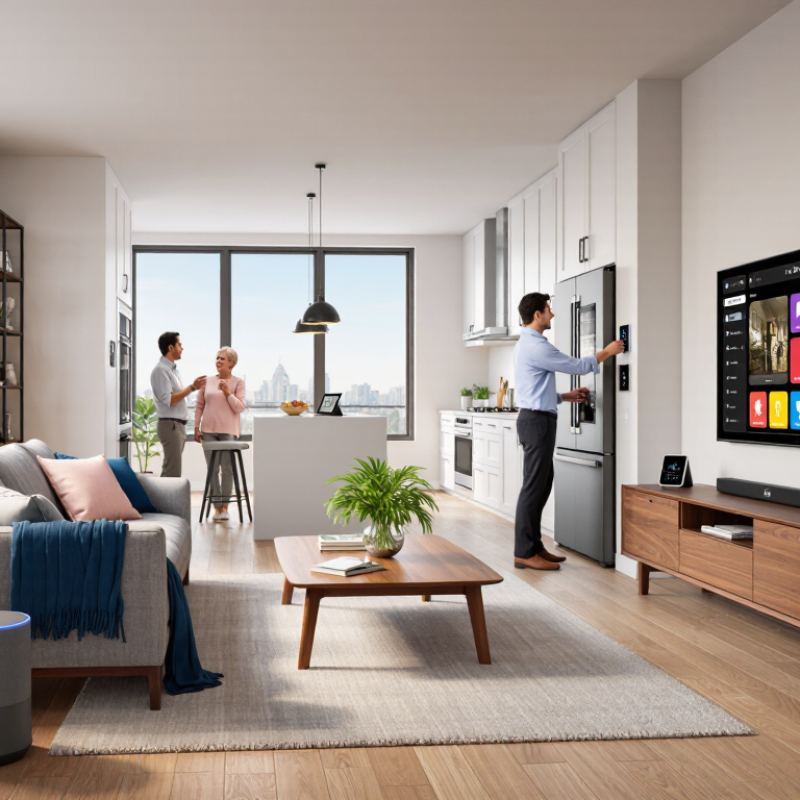
Definition and Core Principles of Smart Home Organization
Smart home organization is the deliberate arrangement of connected devices, networks, spaces, and household routines. For global buyers, it means creating a system that fits local homes, electrical standards, languages, and daily habits. A smart home should solve practical problems, not simply collect more devices. A useful plan begins with a room-by-room assessment. Check lighting, temperature, security, energy use, and internet coverage. This exposes weak points before installation.
Interoperability is a core principle. Devices should communicate through widely supported standards and remain useful after software changes. Clear setup records matter too. Keep model details, access permissions, warranty information, and reset instructions in one secure place. Privacy must guide every decision. Use strong passwords, limited user access, regular updates, and carefully chosen data settings. Safety also requires professional installation when wiring or structural work is involved. Local regulations should never be treated as optional.
Good organization includes accessibility and long-term maintenance. Controls should be understandable for children, older adults, and guests. Manual alternatives are valuable when the network fails. That moment is often forgotten. Energy savings should be measured through actual usage, not optimistic claims. A complicated system may look advanced but create daily frustration. No setup is perfectly smart. Needs change, household members disagree, and some devices eventually become obsolete. Global buyers should leave room for replacement, repair, and honest reassessment.
Key Technologies Used in Connected Home Management
Smart home organization for global buyers now relies on connected home management, not isolated gadgets. IDC’s 2024 forecast placed global smart home device shipments at about 892.3 million units. This growth increases the need for compatible systems. Buyers should check regional power standards, wireless frequencies, language support, and data rules before installation. Small details matter.
Matter provides a common application layer across compatible devices. Thread supports low-power mesh connections, while Wi-Fi 6 handles higher-bandwidth cameras and displays. Edge computing can process motion events inside the home, reducing cloud delays. Cloud platforms still support remote access, software updates, and household analytics. GSMA Intelligence estimates global IoT connections will reach 18.8 billion in 2024, showing why scalable management is becoming important.
Security needs equal attention. Use unique passwords, multi-factor authentication, encrypted connections, and automatic updates. A local hub can keep lights working during an internet outage. That is practical. Yet interoperability is not perfect, especially across older devices and regional versions. Buyers may need bridges, manual resets, or separate applications. This is inconvenient. It also reveals a common planning mistake: choosing features before checking the entire home network. A careful installation should test signal strength near doors, thick walls, and utility rooms. The best system is not always the most advanced one.
Privacy, Security, Costs, and Future Development
For global buyers, smart home organization starts with data, not decoration. A connected lock, camera, and energy meter can reveal daily routines. Privacy settings should be checked before installation. Choose local storage when practical, limit microphone access, and disable unused accounts. Read retention terms carefully. They are often overlooked. Buyers should confirm where data is processed and whether local privacy rules apply. Convenience can hide a quiet cost: personal information moving across borders. No privacy checklist is perfect.
Security also depends on physical habits. Use unique passwords and multi-factor authentication. Install updates promptly. Keep smart devices on a separate network when possible. Small details matter. Costs extend beyond the purchase price. Include hubs, professional installation, subscriptions, replacement batteries, and compatible wiring. Compare the likely five-year cost. A cheap sensor may become expensive after recurring fees. Regional voltage, language support, and customer service can also affect ownership. Ask for clear warranty terms before payment.
Future development may bring better interoperability and more transparent controls, but compatibility promises can change. Select systems that support recognized communication standards and offer manual operation. Check the expected firmware support period. Repairability matters too. A device that cannot be updated or repaired creates electronic waste and security concerns. Start with one room and observe performance for several weeks. Plans change. Keep a written device list, remove unused permissions, and review settings after every major software update.
What Is Smart Home Organization for Global Buyers?
Privacy, security, costs, and future development reflected in the projected global smart home market value.
The global smart home market was estimated at USD 121.59 billion in 2023. The following values apply a published
27% annual growth forecast to illustrate the market’s projected development through 2030. For global buyers,
this expansion increases the importance of organized device management, transparent data practices, strong network security,
predictable ownership costs, and long-term software support.
Source basis: published global market research estimate; 2024–2030 values calculated from the 2023 baseline using the stated CAGR.