Top Organized Home Ideas for a Clutter Free Home
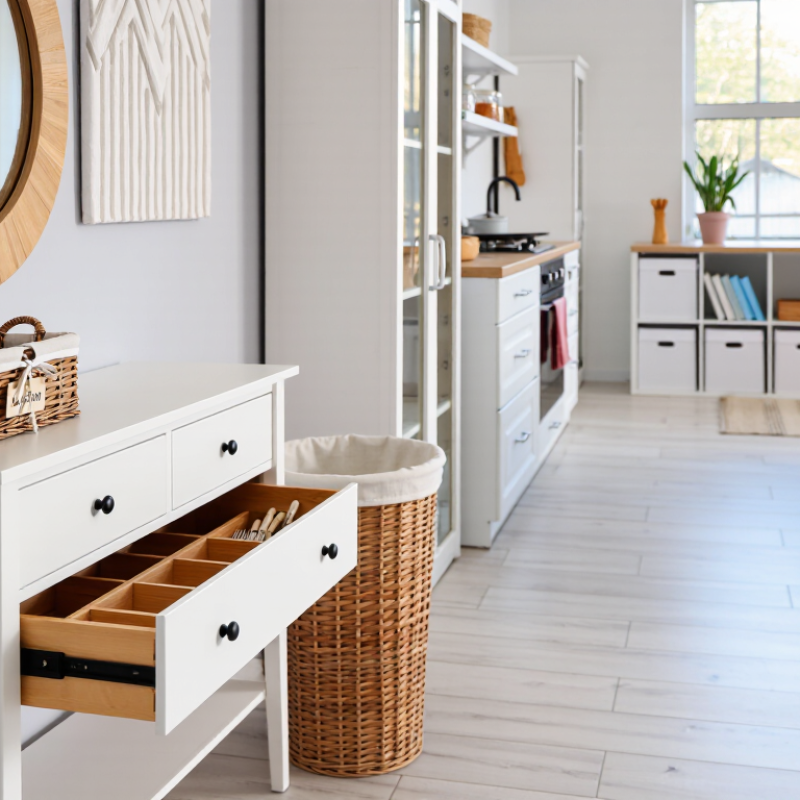
A clutter-free home is not an empty home. It is a space where everyday things have clear, practical places. The right organized home ideas can make busy mornings calmer, reduce visual noise, and help a small room work harder. Think of a labeled basket beside the entry for keys, a drawer divider for tangled utensils, or a laundry hamper placed where clothes actually land. Small changes matter. Yet no single system suits every household. A beautiful pantry can still fail if its labels slow you down or nobody puts items back.
Professional organizer Marie Kondo writes, “The question of what you want to own is actually the question of how you want to live your life.” That idea gives this guide a useful starting point: organize around your real routines, not an idealized home. The sections ahead explore simple storage, room-by-room sorting, and habits that help clutter stay manageable. You will find practical ways to use shelves, containers, and overlooked spaces without buying a whole new set of products. Start small. One crowded countertop may be enough for today. It is also worth admitting that some mess returns; work, children, and changing needs can undo a tidy system. Review what is not working, then adjust it. A home should support the people living in it, even when it is imperfect.
Assess Each Room and Map the Main Clutter Hotspots
Walk through each room before rearranging anything. Carry a notebook and notice where items repeatedly land: mail beside the front door, cups near the sofa, or clean laundry on a chair. Look, don’t tidy. A quick photo can reveal patterns you overlook while moving through a familiar space. Record what gathers there and when it tends to appear.
In the kitchen, check counters, the table, and the cabinet nearest the entrance. A pile of unopened mail may point to a missing sorting spot, not a lack of effort. In the bathroom, note crowded shelves and items left beside the sink. In shared rooms, mark surfaces that collect objects from several people. Be specific: “keys and receipts on the entry shelf” is more useful than “messy hallway.”
Sketch a simple floor plan, or list each room with its hotspots. Mark how often each area fills up and whether the clutter blocks a daily task, such as opening a drawer or setting down groceries. It is easy to mistake a temporary pile for a permanent problem, so observe for several days if you can. The map will still be imperfect. That is useful information, too: some habits are harder to spot than a crowded counter.
Declutter With EPA’s 4.9-Pound Daily Waste Benchmark per Person
The EPA has estimated that the average person in the United States generates about 4.9 pounds of municipal solid waste per day. It is a national benchmark, not a measure of what one household should produce. The figure also describes waste generated, not simply what ends up in a landfill; recycling and composting affect its final destination. Estimates can change with the year and method.
That number feels abstract until you look at a kitchen bin. A few food scraps, a paper towel, packaging from a delivery, and yesterday’s mail can fill it quickly. Small things count. Try keeping a simple waste log for one week, noting what you throw away and where it came from. No need to weigh every crumb. A rough record can reveal patterns, such as forgotten produce or duplicate cleaning supplies.
Use what you notice to organize one trouble spot. Put older food at the front of the fridge, keep a small donation box near the closet, and store reusable containers where you actually reach for them. This will not make a home waste-free. Mine would still collect odd bits of packaging, and I sometimes buy food with good intentions. A realistic system makes those habits easier to see, then easier to adjust.
Group Keepers by Purpose, Frequency of Use, and Point of Use
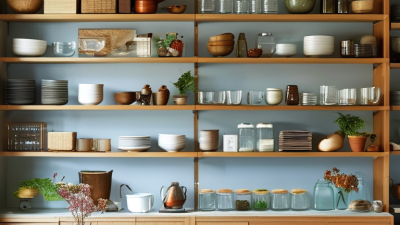
A clutter-free home starts with deciding what each item is for. Group similar keepers by purpose: baking tools together, charging cables in one small container, and school supplies in a drawer. This makes it easier to spot duplicates and find what belongs. Keep the system simple. Too many categories can become another chore.
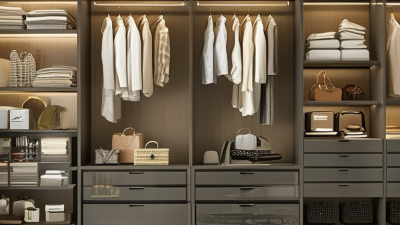
Frequency matters, too. Store daily-use mugs on an easy-to-reach shelf, while holiday dishes can sit higher or farther back. Then consider point of use: scissors near the desk, spare towels near the bathroom, and dog-walking supplies by the door. When I reorganize a busy entryway, I leave room for the things that arrive unexpectedly. They always do. A shallow tray can catch keys and loose change, though it may collect clutter if nobody empties it.
That part takes practice.
Revisit your setup after a week; if you keep walking across the room for one item, move it closer to where you use it. A tidy system should fit real habits, not an idealized routine.
Select Storage That Fits Items and Keeps Walkways Clear
Storage works best when it matches what you actually keep. Measure the items before choosing a shelf, basket, or drawer. A tall bin may hold winter scarves, but it can become awkward if it is placed above eye level. Keep frequently used objects between waist and shoulder height. Measure the space, too, including door swings and the gap needed to open drawers. Leave breathing room. A narrow cabinet beside a hallway can still make the route feel cramped, even when it fits on paper.
Give each item a practical home near where you use it. Shoes belong near the entrance, while spare towels make more sense near the bathroom. Shallow trays can keep keys and mail from spreading across a counter. For children’s toys, low open bins make putting things away easier, though they can look messy when overfilled. That part matters. Check the walkway after placing storage, and carry a laundry basket through the room to spot tight corners. I have found that a small gap often feels smaller once daily traffic begins. Keep the path clear before adding another container.
Top Organized Home Ideas for a Clutter-Free Home
Choose storage that fits your belongings while keeping circulation routes clear.
How to use this: Measure the clear space left after placing storage and furniture. These ADA measurements are accessibility standards, not a substitute for local building requirements.
Source: 2010 ADA Standards for Accessible Design, Sections 404.2.3 and 403.5.1–403.5.3. Measurements shown in inches.
Arrange Safely: NFPA Recommends 3 Feet Around Heating Equipment
A calm, organized room can still become a fire risk when storage creeps too close to a heat source. The National Fire Protection Association (NFPA) recommends keeping anything that can burn at least three feet from heating equipment. That includes paper shopping bags, laundry baskets, curtains, and the stack of books beside a portable heater. Three feet is roughly the length of an adult arm. Marking the boundary on the floor can make it easier to maintain, especially in a small room. The gap is easy to lose.
Tips: Keep a clear three-foot zone around heaters, fireplaces, and furnaces. Store blankets and cleaning supplies elsewhere. Check the area after tidying; a basket can quietly drift back.
The space matters. NFPA’s report on U.S. home fires involving heating equipment found an annual average of 44,210 fires from 2016 to 2020. These fires caused an estimated 480 civilian deaths and 1,370 injuries each year. The figures are a useful reminder, not a reason to assume every hazard is obvious. A heater may look safely placed until a coat slips from a chair. Recheck the clearance when furniture or seasonal storage changes.