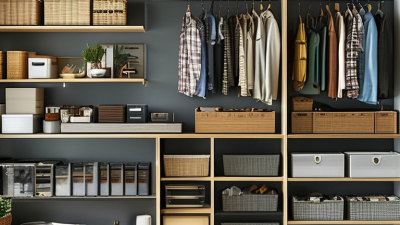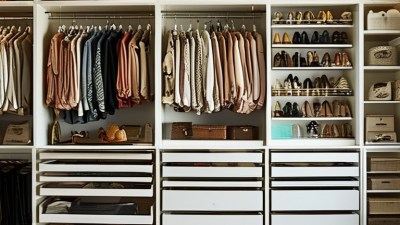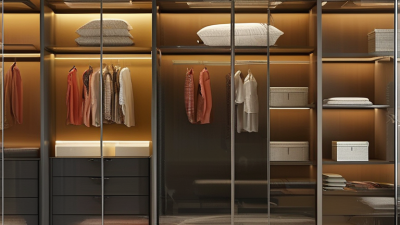
Small closets can feel crowded before a single shirt enters them. Poor lighting, deep shelves, and unused corners often create that problem. The best closet makeover ideas do not begin with buying more storage. They begin with observing how the space actually works. Measure the walls, door swing, ceiling height, and walking clearance. Then notice daily habits. Do shoes collect near the entrance? Do folded clothes disappear on tall shelves? These details reveal what the closet needs.
Lisa Adams, founder of LA Closet Design, has said, “A closet should be designed around the way you live.” That principle matters even more in compact homes. Adjustable shelves, double hanging rods, slim drawers, and vertical storage can add useful capacity without overwhelming the room. Clear bins make seasonal items visible. Warm LED lighting can brighten dark corners and reduce morning searching. A pale finish may also make the closet feel more open, though it will not fix poor planning.
Keep the design flexible.
Real makeovers are rarely perfect. One shelf may sit too high. A basket may block the door. These small mistakes deserve attention, not embarrassment. Leave room for adjustment, and test the layout with your actual belongings. Reliable closet planning balances appearance, access, safety, and budget. The strongest solution may be simpler than expected: fewer containers, better spacing, and one honest look at what no longer belongs.
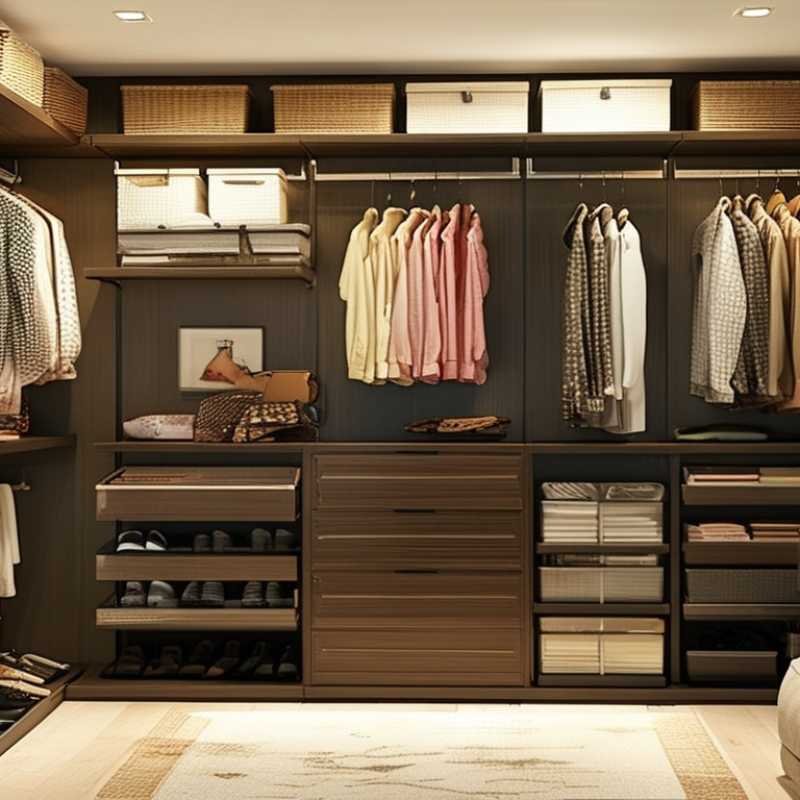
Before choosing a closet makeover, measure the space as it exists, not as you wish it worked. Record width, depth, height, and the door swing. Note baseboards, outlets, trim, and sloping ceilings. A narrow tape measure and a simple sketch can prevent expensive mistakes. I once planned a second hanging rail without checking the door clearance. It fit on paper. It did not open comfortably. That small error changed the layout.
Separate clothing by use and length. Count shirts, folded items, shoes, bags, and seasonal pieces. Measure the tallest coats and the widest storage bin. Keep daily items between waist and eye level, where reaching feels natural. Less-used belongings can move higher, but leave enough room for safe handling. In a small closet, vertical space often matters more than extra floor area. A shelf may hold more than a drawer, yet exposed stacks can look untidy and collect dust.
Test the storage plan with removable boxes or cardboard shelves for several days. Watch what you touch each morning and what remains hidden. This trial reveals habits that measurements miss. Do not fill every available inch. Empty space helps clothes slide, hangers turn, and future purchases fit. My own first layout ignored laundry overflow, which made the closet feel crowded again. Recheck the plan after one week, especially if more than one person shares the space.
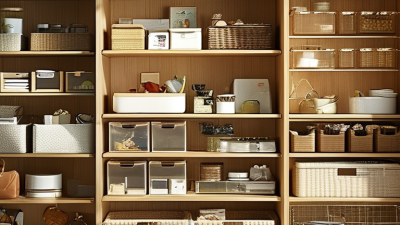
A functional closet layout begins with movement, not decoration. In a small space, reserve about 24 inches for hanging depth and at least 30–36 inches for a comfortable passage. These dimensions follow professional planning guidance from the National Kitchen and Bath Association. Measure the door swing, baseboards, and ceiling height before choosing shelves. A shallow wardrobe with double-hang rails often stores more daily clothing than one deep shelf. It also keeps shirts visible instead of buried.
Storage demand is not a minor concern. The National Association of Home Builders’ 2024 buyer-preference report found that 83% of buyers considered a walk-in pantry desirable or essential. That result reflects a wider expectation: people want storage that supports everyday routines. For limited closets, use vertical space up to the ceiling. Place shoes below, folded items at eye level, and seasonal boxes above. Sliding doors can protect walking space, but they may hide half the closet at once. That trade-off deserves honest consideration.
Tips: Keep 15–20% of the closet empty. Leave room for changing habits. Use adjustable shelves instead of fixed compartments. Add a slim hook rail near the entrance for tomorrow’s outfit. I once overplanned a compact closet with too many drawers; it looked efficient, yet reduced usable hanging space. A simpler layout worked better. Avoid copying showroom proportions. Your actual wardrobe decides the layout.
For most small closets, a compact reach-in layout with adjustable shelving, two-level hanging, and clear walking space provides the best balance of storage capacity, accessibility, and flexibility.
| Layout Element | Recommended Dimension | Functional Purpose | Best Use in a Small Closet | Space-Saving Rating |
|---|---|---|---|---|
| Single-Wall Reach-In Layout | 24–30 in. system depth; 36–48 in. clear floor depth | Keeps storage concentrated on one wall while preserving an unobstructed approach. | Narrow or shallow closets with one practical storage wall. | Excellent |
| Double-Hang Section | Two rods positioned approximately 40–42 in. and 80–84 in. above the floor | Uses vertical space for shirts, blouses, folded trousers, and shorter garments. | Everyday clothing that does not require full-length hanging space. | Excellent |
| Long-Hang Section | Approximately 66–72 in. of vertical hanging clearance | Accommodates dresses, coats, robes, and other full-length garments. | A narrow section rather than the entire closet wall. | Good |
| Adjustable Shelves | 12–16 in. deep; 10–12 in. vertical spacing for folded clothing | Provides flexible storage for sweaters, bags, shoes, and changing-size items. | Above hanging rods or in unused vertical areas. | Excellent |
| Top Storage Shelf | 12–16 in. deep; installed about 12–18 in. above the upper rod | Stores seasonal clothing, luggage, bedding, and infrequently used items. | The upper perimeter of the closet. | Excellent |
| Shoe Storage | 10–14 in. deep; approximately 7–9 in. vertical space per pair | Keeps footwear visible and prevents floor-level clutter. | Low shelves, pull-out trays, or the back of the door. | Very Good |
| Clear Walking Zone | At least 30 in.; 36 in. is more comfortable | Allows the user to enter, turn, and access clothing without crowding. | Keep the center area free of boxes and freestanding furniture. | Essential |
| Door-Back Storage | 4–8 in. projection, depending on door and clearance | Adds storage for accessories, scarves, belts, or small shoes without using wall width. | Closets with a hinged door and sufficient swing clearance. | Excellent |
| Slim Drawer Module | 12–18 in. wide; 14–16 in. deep | Organizes underwear, accessories, and folded items while reducing visible clutter. | A narrow vertical stack at one end of the storage wall. | Very Good |
| Corner Clearance | Leave approximately 3–6 in. of practical clearance where storage turns a corner | Reduces inaccessible dead zones and prevents doors or drawers from colliding. | L-shaped layouts or closets with two adjacent storage walls. | Good |
In a small closet, unused vertical space is often the biggest opportunity. Measure the full height before buying anything. Leave enough clearance for doors, hangers, and easy movement. A second hanging rod can double short-item storage, especially for shirts, skirts, and folded trousers. Keep heavier garments on the lower level for safer access.
Shelf risers create another layer without construction work. Use them for sweaters, handbags, or neatly folded jeans. Slim bins can fill awkward corners, but clear labels matter. I once placed too many boxes on an upper shelf and forgot what they contained. That mistake made the closet look tidy, yet made daily dressing slower.
Space-saving accessories should solve a specific problem. Over-door pockets can hold scarves, belts, and small bags. Cascading hangers reduce side-to-side crowding, while sturdy hooks can keep tomorrow’s outfit visible. Choose accessories that match the closet’s weight limits and avoid blocking ventilation or lighting. A small step stool may improve access, but it also needs a safe storage spot. Leave some empty space. A closet packed to its limit usually becomes difficult to maintain.
What Is the Best Closet Makeover Idea for Small Spaces?
A small closet works best when every item has a defined landing place. Measure the width, depth, and vertical space before buying organizers. Use slim hangers for shirts, jackets, and trousers. Fold knitwear to prevent shoulder marks. Store daily clothing at eye level, while seasonal pieces can go higher. Leave 10 to 15 percent of the closet empty. This allows air to move and makes dressing easier. My first attempt failed because I packed every shelf tightly. It looked organized, but retrieving one sweater disturbed everything.
Shoes need air. Keep frequently worn pairs near the floor, with toes facing outward. Use vertical shelves or clear boxes when floor space is limited. Keep heavier footwear on lower levels for stability. Small accessories need separate zones. A shallow drawer can hold belts, watches, and folded scarves. Hooks inside the door can display bags without blocking clothing. I prefer open storage for daily items, but dust becomes a problem. A simple weekly wipe helps.
Tips: Group clothing by type and color. Label hidden containers clearly. Keep one basket for items awaiting repair or washing. Review the closet every season. If a system feels difficult after two weeks, change it. Your routine matters more than perfect symmetry.
Use storage zones with different depths: full-depth hanging space for clothing, medium-depth shelves for folded items, and compact compartments for shoes and accessories.
Typical residential planning benchmarks shown in inches: hanging garments need about 24 inches of depth, folded clothing about 16 inches, shoes about 12 inches, and accessories about 8 inches.
Maintaining a clutter-free small closet requires a repeatable routine, not a dramatic makeover. The Ellen MacArthur Foundation reported that clothing utilization fell by 36% between 2002 and 2016. That decline reflects a familiar problem: garments remain stored, even when rarely worn. In a compact closet, unused clothing quickly blocks daily essentials. Keep a small “wear this week” section near eye level. Store seasonal items in labeled, breathable containers. Review the closet every three months, not only during spring cleaning.
Tips: Remove one item whenever you add one. Use slim hangers. Keep a donation bag nearby. Fold soft clothing vertically, so every piece stays visible. Avoid filling shelves completely. A little empty space makes maintenance easier.
The U.S. Environmental Protection Agency’s sustainable materials data shows that millions of tons of textiles enter municipal waste streams each year. Better closet habits can reduce unnecessary purchasing and delayed decisions. Before buying another shirt, check whether three similar pieces already exist. This takes less than a minute. A simple photo inventory may also expose repeated colors, duplicate basics, or forgotten accessories. I find this useful, though it can become another task to maintain. If the system feels complicated, it probably is. Reassess it after two weeks. Keep only the rules you actually follow. A tidy closet should support real mornings, including rushed ones, rather than look perfect for a photograph.