10 Custom Closet Ideas to Maximize Your Space Design?
When it comes to organizing your space, "custom closet ideas" can be transformative. Renowned designer Sarah Johnson highlights, “A well-designed closet reflects your lifestyle.” Custom closets provide innovative solutions tailored to individual needs. They maximize storage and enhance room aesthetics.
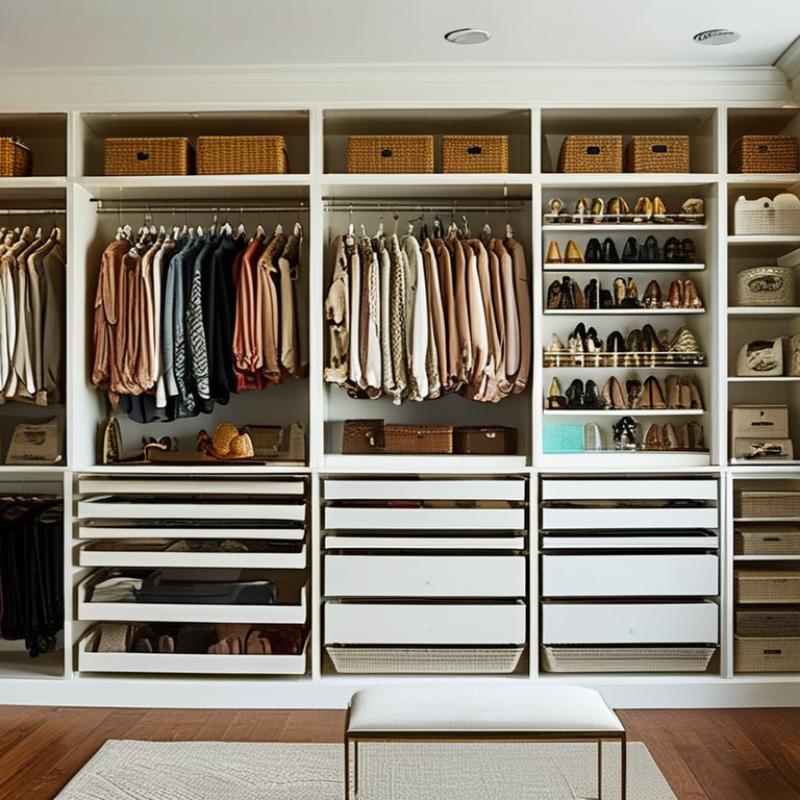
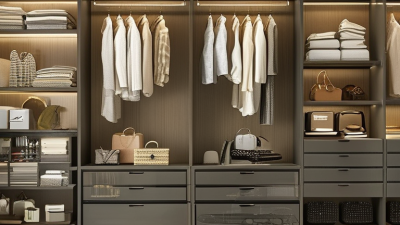
Expertly crafted closets can address common storage challenges. Imagine integrating shelves that suit your shoe collection or adding drawers for accessories. Every inch matters in a limited space, and these ideas can inspire efficient designs.
Yet, creating the perfect custom closet is not without its hurdles. One might struggle with the initial investment or the planning stage. Balancing style and function can also be tricky. Reflection on these challenges can yield a better outcome, making your closet not just a storage area but a stylish, functional haven.
Creative Layouts for Custom Closets to Optimize Storage and Space
Custom closets can transform your space. According to the National Association of Professional Organizers, organized spaces can boost productivity by 20%. A well-designed custom closet layout is key. Consider using vertical space. High shelves can store seasonal items. Low shelves keep everyday items accessible.
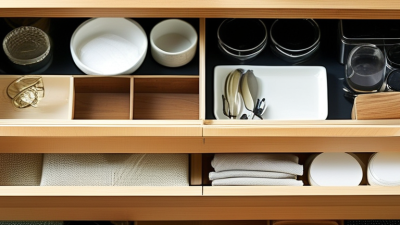
A U-shaped design maximizes corner space. It offers easy access to clothes and accessories. For narrow areas, a sliding door system optimizes pathways. Adding pull-out drawers can enhance usability. They allow for easy organization of smaller items.
Incorporate adjustable shelving to adapt as needs change. It provides flexibility over time. However, poorly planned spaces can lead to overcrowding. Striking a balance between design and functionality is essential. Analyze your needs before finalizing any layout. Custom closets should reflect personal style and storage requirements.
Incorporating Functional Accessories for Enhanced Closet Usability
Maximizing closet space requires thoughtful design and the right functional accessories.
Pegboards can serve as versatile organizers for small items. Hooks can hold bags, scarves, or accessories, making them visible and accessible. Implementing pull-out baskets adds depth and makes it easy to reach items at the back. This design encourages users to optimize every inch.
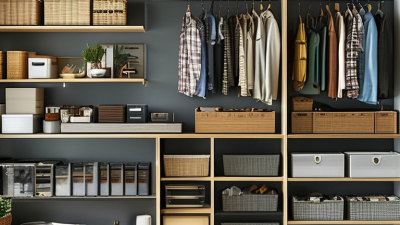
Incorporating modular shelving can further enhance usability. Adjustable shelves allow for customization according to personal needs. Those with variable shoe heights can benefit significantly from these setups. Additionally, incorporating clear bins helps keep smaller items from getting lost. Labeling is important here, as it saves time when searching for essentials.
Reflecting on your closet's functional layout can highlight areas needing improvement. Consider different lighting options, which can dramatically change the space's usability. A well-lit closet can prevent accidental mix-ups and make finding outfits much easier. Remember, a clutter-free environment fosters a clearer mindset.
Each design decision can turn your closet from a simple storage area into an efficient, user-friendly space.
Selecting the Right Materials and Finishes for Custom Closet Design
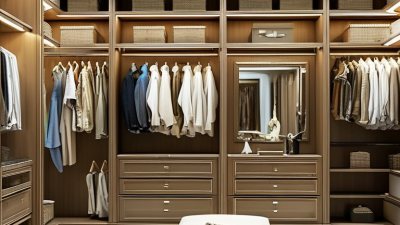
When designing a custom closet, the selection of materials and finishes plays a crucial role in both functionality and aesthetics. Popular choices include wood, laminate, and metal. Each material offers unique benefits. For instance, wood is warm and traditional, while laminate is often more affordable and easier to maintain. Metal fixtures can add a modern touch, enhancing the overall design.
It’s also important to consider texture and color. Light colors can make small spaces feel bigger, while dark hues bring depth. You might want to pair various materials to create visual interest. Combining wood with metal can produce a striking contrast, elevating the overall design. Reflection on finishes is necessary, as high-gloss surfaces can show fingerprints easily, while matte finishes may require more frequent cleaning.
Choosing the right materials can be overwhelming. Many options exist, and not all will fit your vision or needs. Reflect on durability versus style. Certain materials may not stand the test of time, especially in high-traffic areas. Take time to evaluate the ability of each material to withstand daily use. Balancing beauty and resilience is key to successful custom closet design.
Smart Organization Solutions for Different Types of Clothing and Items
Creating a custom closet is an excellent way to enhance organization. It can cater to different types of clothing and items. You can optimize space with clever organization solutions. Think about vertical storage. Using shelves that reach the ceiling maximizes your storage potential. Hooks can also be added for accessories and bags. This approach keeps everything accessible.
When storing clothing, categorize by season and type. Use clear bins for off-season items. Label each bin for quick identification. This eliminates the frustration of searching for a particular garment. Another smart idea is to use cascading hangers. They save space and keep outfits together. You’ll see exactly what you have.
Consider versatile solutions for footwear. A shoe rack with adjustable shelves can adapt as your collection grows. Not everyone has the same amount of footwear. A rotating shoe carousel can be a game changer. Space can become limited, though. You may need to regularly assess your items. Prioritize your favorite pieces and donate the rest. This helps maintain a tidy space.
Lighting Techniques to Improve Visibility and Ambiance in Closets
Lighting plays a vital role in transforming your closet space. Proper illumination can enhance visibility and create an inviting atmosphere. Use warm LED lights to balance energy efficiency with a cozy ambiance. Task lighting is essential. It focuses on specific areas, making it easier to find items in dark corners.
Consider using strip lights along shelves. This not only highlights your collection but adds depth to the space. A well-lit closet makes daily routines smoother. Wall-mounted fixtures can free up space while offering ample light. Experiment with dimmers to control brightness based on your needs.
Natural light is often ideal. If possible, design windows or skylights in your closet space. However, it's crucial to avoid fabric fading. Reflective surfaces like mirrors can amplify light naturally, further enhancing the convenience. Keep in mind, mixing various light sources can yield the best results. Embrace imperfections in layout, as they can lead to unique design choices and unexpected light patterns.