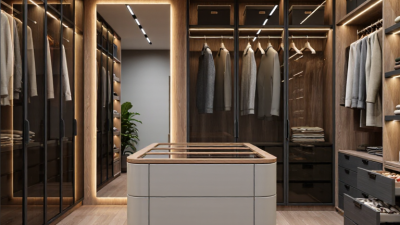
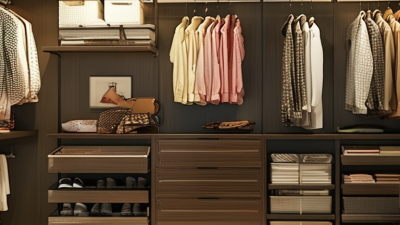
How to Choose the Best Closet Design Ideas for 2026?
Choosing the right closet design ideas for 2026 requires more than following attractive photographs online. A beautiful wardrobe can still waste space, hide daily essentials, or feel uncomfortable after a few months. The strongest designs begin with real habits: how many shoes you own, where laundry collects, and whether you dress quickly or slowly.
Lisa Adams, founder of LA Closet Design, says, “Your closet should be a reflection of your lifestyle.” That principle remains practical in 2026. Consider adjustable shelving, full-height storage, soft-close drawers, integrated lighting, and durable finishes. A shallow drawer for watches may prevent clutter. Motion-activated lights can make dark corners usable. Meanwhile, a ventilated section can protect leather shoes and delicate fabrics.
Measure twice.
A professional designer also studies the room’s limitations. Sloping ceilings, narrow walkways, uneven walls, and limited electrical access can change the entire plan. Digital storage tools may help, but they cannot replace standing inside the space with a measuring tape. That is where many online ideas fail.
Sustainability should guide material choices, too. Responsible wood sourcing, repairable hardware, low-emission finishes, and long-lasting fittings often matter more than a short-lived color trend. Still, no layout is perfect. Your storage needs may change after a new job, a move, or a growing family. The best closet design ideas leave room for adjustment, not just decoration. This guide explores practical layouts, current features, and thoughtful compromises for creating a closet that works beautifully in everyday life.
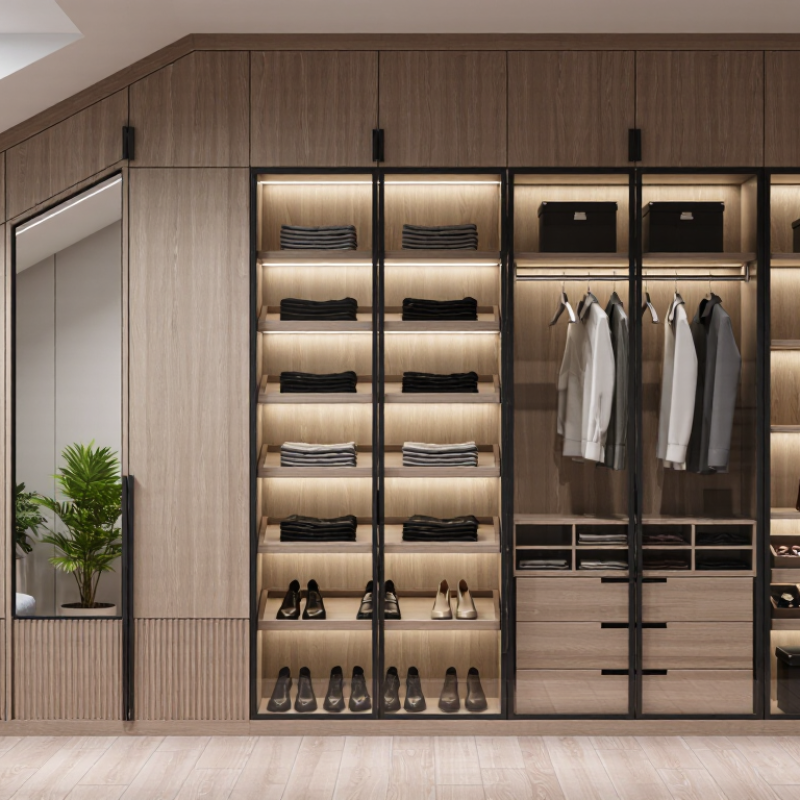
Defining Your Closet Needs and Available Space
Choosing the best closet design for 2026 begins with an honest assessment of your daily habits and available space.
Measure the room’s width, depth, and ceiling height, including doors, windows, outlets, and heating vents. A narrow closet may need shallow shelves, while a walk-in space can support drawers, hanging zones, and a small dressing surface. Do not design around an idealized wardrobe. Design around what you actually wear.
I once planned too many shelves and underestimated long garments. That mistake made the closet look organized but work poorly.
Group clothing by use: everyday items, formal pieces, shoes, accessories, and seasonal storage. Leave clear walking space, and place frequently used items between waist and eye level. Good lighting matters, especially in corners. Adjustable components can handle changing needs, though they may reduce the visual simplicity of a fixed design.
Tips:
Keep a measurement sketch with every obstruction marked. Test storage depth using a jacket or folded sweater before installation. Leave some empty space for future purchases. If two people share the closet, divide zones clearly and discuss realistic storage habits. A professional designer can check clearances, weight limits, ventilation, and safe installation details. Small oversights matter. A beautiful layout can still fail when drawers hit doors or shelves block natural light.
Exploring Closet Layouts, Storage Types, and Design Styles
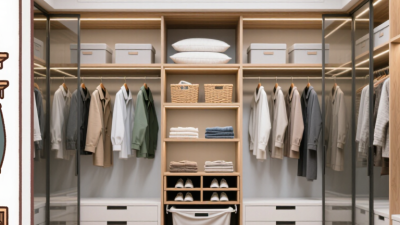
Choosing the best closet design for 2026 starts with an honest look at your daily routine. A walk-in closet may feel luxurious, but a well-planned reach-in layout can work better in a small bedroom. Measure wall length, ceiling height, door swing, and walking clearance before selecting shelves. Leave enough space for drawers to open fully. I once underestimated this detail, and the lower drawers became awkward to use.
Tips: Group clothing by frequency, not only by color. Place everyday shirts between waist and eye level. Store seasonal items higher. Use adjustable shelves for changing needs. Add soft-close drawers where noise matters. Include a small seat if dressing requires shoes or accessories.
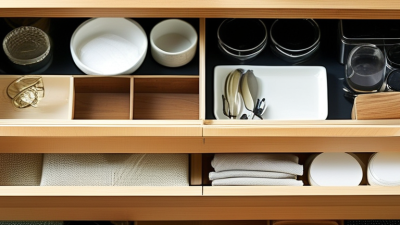
Storage types should match the objects they hold. Double hanging rods suit shirts and folded trousers, while tall compartments protect coats and dresses. Shallow drawers keep jewelry, belts, and scarves visible. Open shelving offers quick access, but it collects dust faster than closed storage. Baskets can hide smaller items, though inconsistent sizes may waste valuable space.
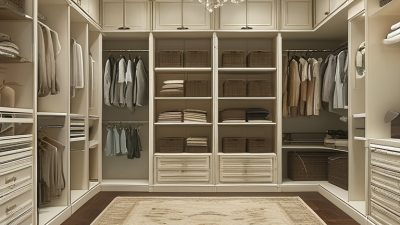
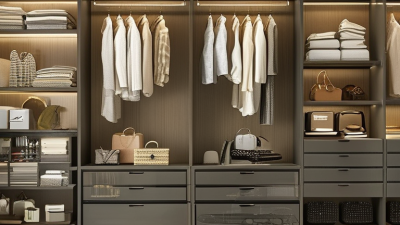
Design style should support the room rather than compete with it. Minimalist closets use clean lines and calm colors. Traditional designs may include framed doors and warmer wood tones. Contemporary layouts often combine glass, metal, and integrated lighting. Choose lighting with accurate color rendering, especially near mirrors. A beautiful closet can still fail if shadows hide clothing or the layout feels cramped. My preference has changed after several projects: practical comfort usually outlasts visual perfection.
Selecting a Future-Ready Closet Design for 2026
How to Choose the Best Closet Design Ideas for 2026?
Selecting a Future-Ready Closet Design for 2026 means planning beyond appearance. A useful closet should adapt to changing routines, storage needs, and technology. Choose adjustable shelves, movable hanging rails, and modular drawers. These features reduce the need for major remodeling later.
Measure real belongings before selecting the layout. Keep about 24 inches for hanging depth and at least 36 inches for walking space. Add warm, motion-activated lighting near drawers and corners. Small details matter. Good airflow also protects clothing from musty odors. If possible, select durable, low-emission materials with clear care instructions. Reliable construction is more valuable than a fashionable finish.
Accessibility deserves equal attention. Place daily shoes, bags, and folded clothes between waist and shoulder height. Leave lower sections for heavier items. Consider seating, full-view mirrors, and handles that are easy to grip. A future-ready closet may also include a charging outlet, but it should not dominate the room. Cables become clutter quickly.
I have seen attractive layouts fail because they ignored morning traffic. A narrow aisle feels frustrating when two people share it. Another mistake is filling every inch with fixed storage. Empty space has practical value. It allows new possessions, mobility changes, or family needs to fit without forcing a complete redesign. A slightly imperfect plan may serve longer than a perfect-looking one.