MENU
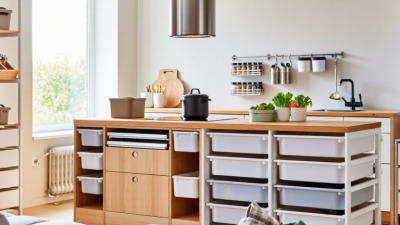
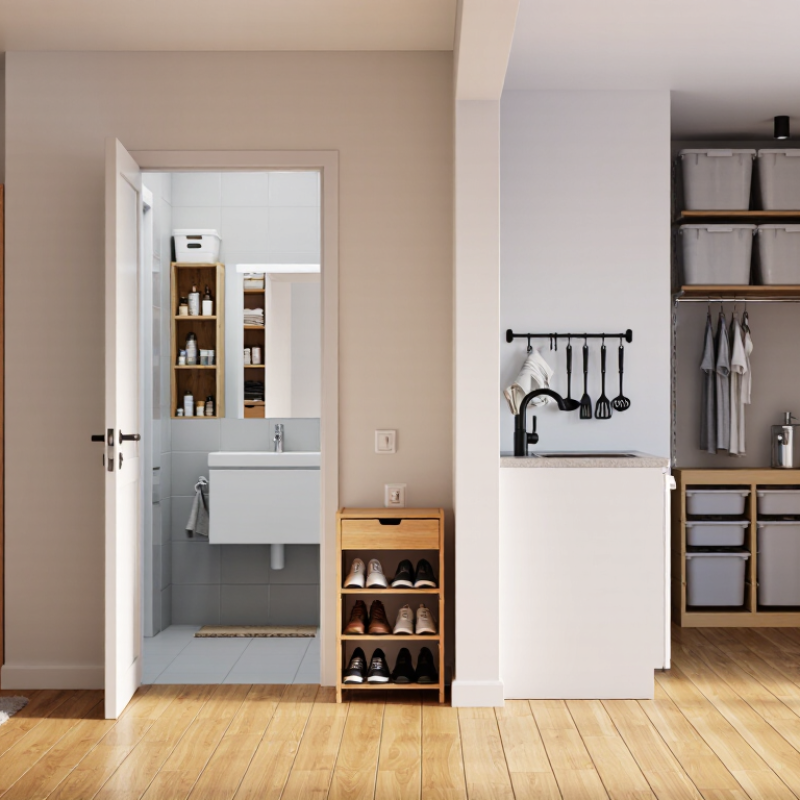
A well-organized home does not need a large renovation or a room full of matching containers. It needs storage that fits daily routines. In 2026, efficient home storage means making useful space easier to find, reach, and maintain. That might look like a narrow shoe cabinet beside the entry, clear bins on a high closet shelf, or deep drawers that keep cookware within reach. Small choices can make busy rooms feel calmer.
The right solution depends on the home and the people who use it. Measure shelves and doorways before buying, check weight limits, and consider whether children or older adults need easier access. Wall-mounted rails can free up counter space, while under-bed boxes can hold seasonal bedding. Labels help, but only if everyone understands the system. Simple wins.
There is a catch. More containers do not automatically mean less clutter. A storage product can become one more place to hide things, especially when it is difficult to use. Start with what needs a home, then choose a practical solution for that specific spot. This guide explores flexible options for kitchens, bedrooms, bathrooms, entryways, and compact homes, with attention to function, durability, and realistic budgets. Not every idea will suit every household, and that is worth remembering. The best setup is the one people can keep using.
Efficient home storage in 2026 is less about buying more containers and more about reducing the effort of everyday routines. Begin by observing what you use each week, then keep those items close to where you need them. A breakfast bowl belongs near the counter, while spare linens can live in a higher cupboard. Small changes matter.
Measure shelves, drawers, and door openings before choosing organizers. Leave enough room to pull out a bin without moving three others. Use vertical space for light, rarely used items, and keep heavier objects between knee and shoulder height. Clear labels help, but broad categories often work better than labeling every small object. Too much sorting gets tiring.
Storage should also adapt as household needs change. A child’s books may need lower shelves this year, while seasonal clothing can move to a less accessible closet. Review crowded areas every few months; a drawer that closes is not always a useful drawer. Some systems look tidy in photographs but are awkward in real life. Test a setup with your normal routine before committing, and allow a little empty space for things that have not found a place yet.
Compare practical storage approaches by location, space needs, and everyday use. Capacity and suitability vary with room dimensions, household needs, and the items being stored.
| Storage solution | Best location | Space used | Ideal for | Efficiency principle | Planning tip |
|---|---|---|---|---|---|
| Vertical shelving | Pantries, closets, laundry rooms | Wall height; small floor footprint | Frequently used supplies and grouped household items | Uses available wall space instead of expanding into walkways | Keep daily-use items between waist and eye level; secure tall units as appropriate. |
| Under-bed containers | Bedrooms, guest rooms | Unused clearance beneath the bed | Seasonal clothing, spare linens, occasional-use items | Turns overlooked low-clearance space into accessible storage | Measure bed clearance first; choose containers that slide out without lifting the bed. |
| Drawer dividers | Kitchens, bathrooms, desks | Existing drawer interiors | Small tools, utensils, accessories, and supplies | Creates defined categories and makes contents easier to find | Sort items before selecting dividers; leave room for drawers to open smoothly. |
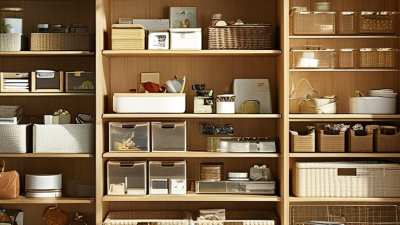
| Clear, labeled bins | Closets, cabinets, storage rooms | Shelf or cupboard volume | Small items, craft materials, toys, and grouped supplies | Combines containment with quick visual identification | Use consistent bin sizes where possible and label the contents, not just the room. |
| Over-door organizers | Closets, pantries, bathrooms | Door surface and clearance behind it | Lightweight accessories, toiletries, and pantry packets | Adds accessible storage without occupying shelf or floor area | Check door swing, frame clearance, and the organizer's load limits. |
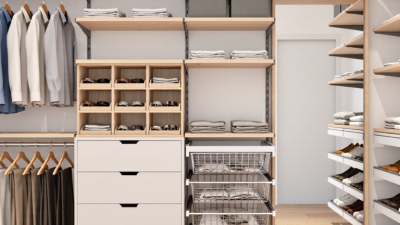
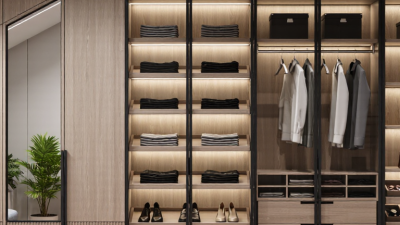
| Modular closet storage | Bedroom and entry closets | Existing closet footprint | Clothing, shoes, bags, and accessories | Adapts hanging and folded storage to the items and available dimensions | Measure width, depth, and height; reserve easy-reach space for everyday clothing. |
| Wall hooks and pegboards | Entryways, garages, utility areas | Clear wall section | Coats, bags, tools, and frequently used equipment | Keeps regularly used items visible and off counters or floors | Match fasteners to the wall type and follow the stated weight limits. |
| Multi-purpose furniture with storage | Living rooms, bedrooms, compact homes | Furniture footprint already needed in the room | Blankets, books, games, or occasional-use items | Combines a useful furnishing with concealed storage | Check usable interior dimensions and ensure the furniture leaves clear walkways. |
Core principle: Store items near where they are used, keep high-use belongings easy to reach, and measure before adding organizers.