Top 10 Beautiful Home Interiors in China to Inspire Your Space?
In recent years, the concept of "beautiful home interiors" has gained significant attention in China. Homeowners increasingly seek to create aesthetically pleasing and functional spaces. Design trends showcase a blend of traditional and modern elements, reflecting China's rich cultural heritage.
The diverse styles found across the country offer inspiration for any space. From minimalist designs in urban apartments to ornate decorations in traditional homes, the possibilities are endless. Each interior tells a unique story, often highlighting the owner's personality and lifestyle.
However, achieving a beautiful home interior requires thoughtful consideration. It involves selecting the right colors, materials, and furniture. Some designs may feel overwhelming or lack coherence. Reflecting on what resonates with you can lead to a more harmonious space. Embrace the imperfections that come with personal expression, as they ultimately define your style.
Exploring Traditional Feng Shui Elements in Chinese Home Interiors
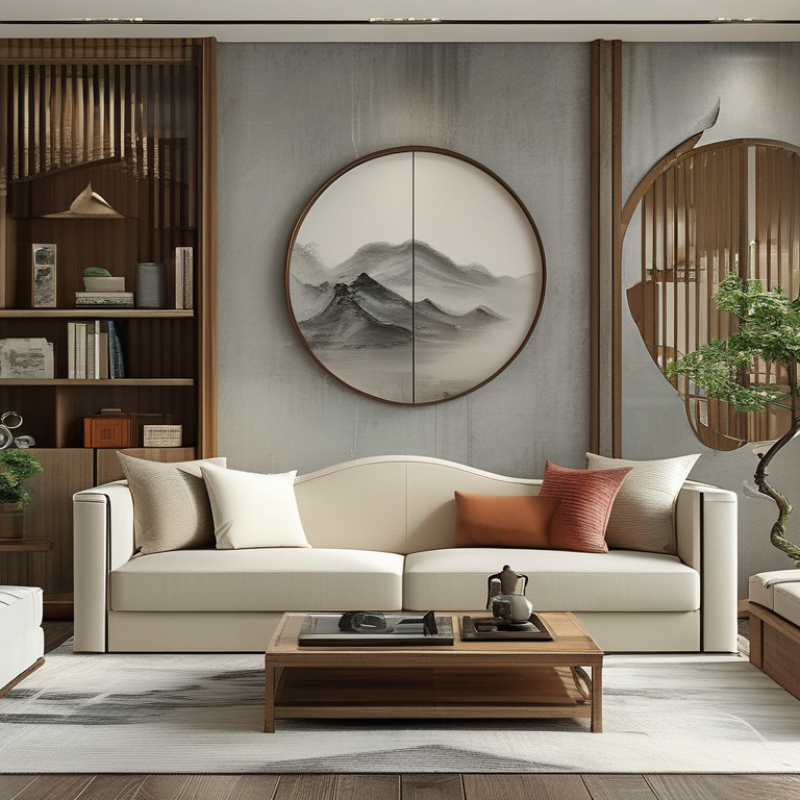
Feng Shui, an ancient Chinese practice, shapes beautiful home interiors in significant ways. This design philosophy emphasizes harmony and balance. A recent market analysis reveals that over 70% of homeowners value these elements. They believe Feng Shui enhances their living space. Incorporating natural elements is a key aspect. For instance, wooden furniture and bamboo decor create warmth and connection to nature.
Thoughtful placement of furniture also plays a vital role. The concept of "Chi," or energy flow, guides how spaces are arranged. A clutter-free environment promotes positive energy. Many homeowners find that positioning their bed in accordance with Feng Shui principles improves their sleep quality.
Interestingly, an interior study noted that homes using these practices report a 30% increase in residents' overall happiness.
When designing your space, include live plants. They add vibrancy and promote well-being. Assess your layout; if rooms feel restrictive, they may block energy flow. Remember that balance is essential. Strive for an environment that feels inviting rather than overwhelming. Sometimes, less is more, encouraging a peaceful ambiance. Simplifying your decor can lead to clearer thoughts and greater focus.
Contemporary Design Trends in Urban Chinese Homes
Contemporary design in urban Chinese homes reflects a blend of tradition and modernity. Open floor plans are common, creating spacious living areas. Large windows allow natural light to flood in, enhancing the indoor ambiance. Minimalist aesthetics are favored, often resulting in sleek furniture with clean lines. Natural materials, like wood and stone, add warmth to these spaces.
Color palettes tend to be neutral, but accents of bold hues are used to make statements. Art plays a crucial role in home decor, adding character and personal touch. However, with the rise of minimalism, some may feel their spaces lack warmth. Balancing style and comfort is a frequent challenge.
Additionally, smart home technology is increasingly integrated into designs. Energy-efficient appliances and automated systems enhance convenience. Yet, this reliance on technology raises questions about sustainability and privacy. Reflecting on these aspects is essential for creating truly inspiring interiors. Urban Chinese homes continue to evolve, showcasing the creativity and adaptability of modern design.
Incorporating Nature: Indoor Gardens and Natural Light in Interiors
Indoor gardens and natural light have become essential elements in home design. Incorporating greenery into your living space can improve air quality and promote relaxation. A recent report from the World Green Building Council highlights that biophilic design boosts productivity and well-being by up to 15%.
Creating an indoor garden can be as simple as adding a few potted plants. Consider using local species suited to your environment. For instance, ferns and snake plants thrive indoors and require minimal maintenance. You might experiment with hanging plants to save space. Think about positioning larger plants near natural light sources.
Utilizing natural light is crucial for a bright, inviting atmosphere. Large windows or skylights can enhance your home's ambiance and reduce electricity costs. However, window placement is not always optimal; careful consideration is essential to avoid glare. Use sheer curtains to diffuse sunlight effectively, softening harsh rays while maintaining brightness.
Balancing aesthetics and functionality can be challenging. Not every space will support an indoor garden or plentiful sunlight, leading to the possibility of limited options. Reflect on your space's unique features and limitations, optimizing your home's connection to nature.
Cultural Significance of Color Schemes in Chinese Home Design
Color schemes play a crucial role in Chinese home design. Each color carries its own cultural significance. Red, for instance, symbolizes happiness and prosperity. It is often used in auspicious decorations. Meanwhile, gold represents wealth and success, while white conveys purity and mourning. This complexity shows how color affects mood and atmosphere.
Choosing colors in home interiors can be both an art and a challenge. Many people may selectively adopt colors without understanding their meanings. For instance, using red is common during celebrations. However, overusing it may evoke confusion or anxiety in everyday living spaces. Balancing bold colors with neutral tones can create harmony.
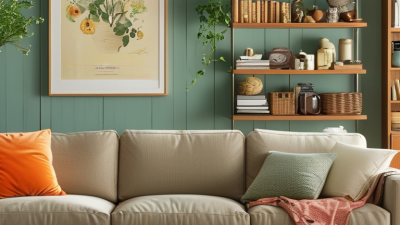
Incorporating shades of blue and green represents tranquility and balance. These cooler tones can provide a soothing backdrop for busy urban life. However, one must consider how these choices impact daily experiences. It is essential to reflect on personal preferences while respecting cultural backgrounds. Ultimately, the goal is to create spaces that resonate with both tradition and individuality.
Unique Furniture and Décor Styles Found in Chinese Homes
Chinese homes are celebrated for their unique furniture and décor styles. Traditional elements often blend with modern aesthetics, creating inviting spaces. Handmade wooden furniture is a common feature. Its craftsmanship showcases rich cultural heritage. Soft textiles add warmth, while colorful artwork brings life to walls.
Lighting also plays a key role in Chinese interiors. Lanterns and pendant lights create ambiance. The placement of furniture often reflects harmony and balance, aligning with Feng Shui principles. This thoughtful arrangement encourages flow and comfort. However, achieving this balance can be a challenge. It requires careful consideration of each piece.
Many homes incorporate antiques, telling stories of history and tradition. These items sometimes seem out of place in contemporary settings. This contrast sparks reflection on what it means to blend past and present. Embracing imperfections in décor can lead to a deeper appreciation of individuality. This approach invites creativity and personalization, enriching the living space.
Top 10 Beautiful Home Interiors in China