China Best Lifestyle Organization Ideas for Global Buyers

Lifestyle organization ideas are no longer limited to matching bins and neat shelves. Global buyers are looking for products that solve everyday problems, suit different home sizes, and remain practical after repeated use. China offers a broad supplier base for storage baskets, drawer dividers, closet systems, and compact kitchen organizers. Yet product choice matters more than a polished catalog photo.

Marie Kondo, a well-known organizing consultant and author, wrote, “The question of what you want to own is actually the question of how you want to live your life.” That idea can guide both product design and sourcing: useful organizers should support real routines, not simply look tidy. Small details matter. Check dimensions, material descriptions, load limits, packaging, minimum order quantities, and sample quality before committing to a purchase. Requirements can vary by market, so buyers should confirm applicable product and labeling standards with qualified local advisers.

This guide explores lifestyle organization ideas for global buyers, from space-saving designs to features that make products easier to clean, assemble, and store. It also considers how to compare suppliers and assess whether a design fits a target customer. A clever product can still disappoint if its compartments are too small or its instructions are unclear. That takes testing. No single organizing system works for every household, and even a thoughtful buying checklist cannot predict every customer’s habits. The goal is a better-informed choice, not a perfect promise.
China Best Lifestyle Organization Ideas for Global Buyers

Understanding Lifestyle Organization Trends in China

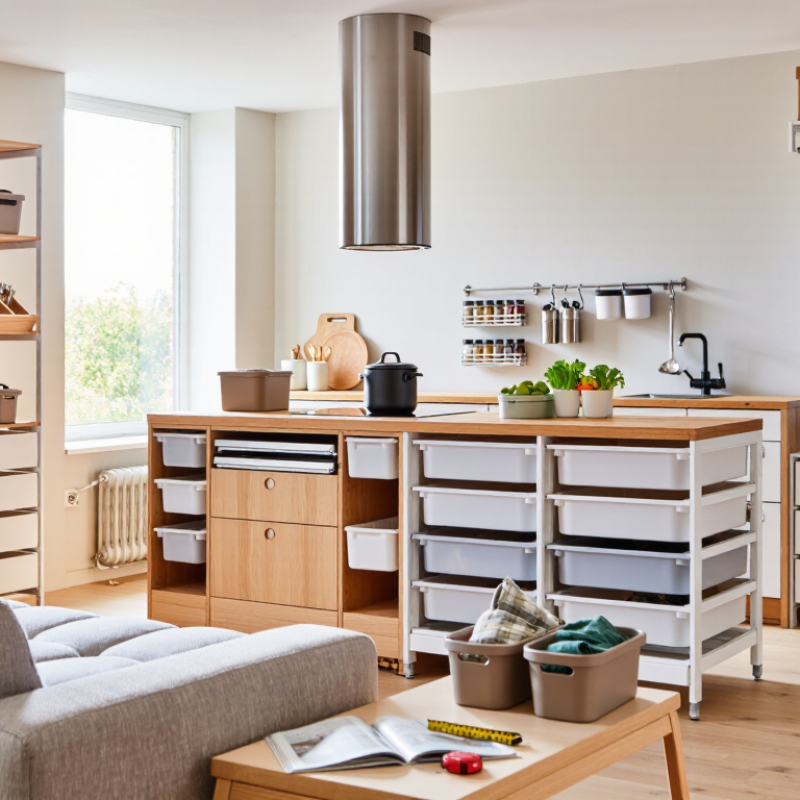
China’s lifestyle organization trends reflect smaller apartments, busy routines, and a preference for practical design. In compact kitchens, narrow pull-out racks and stackable containers make use of gaps beside refrigerators or under sinks. Entryways often need slim shoe cabinets, wall hooks, and a tray for keys. Small homes demand flexibility.

Products that serve more than one purpose are especially useful. A storage bench can hold seasonal items while providing a place to sit. Foldable laundry baskets and adjustable drawer dividers also suit changing household needs. Neutral colors remain common, but clear bins help people identify supplies without opening every box. Trends vary between cities and households, so one layout rarely fits everyone.

For global buyers, product details matter as much as appearance. Check measurements against typical cabinet depths, and confirm how shelves attach and bear weight. Smooth edges, stable hinges, and easy-to-clean surfaces can affect daily use. Packaging deserves attention too; bulky organizers may cost more to ship than their light weight suggests. Online photos can hide awkward assembly or wasted space, and that gap is worth questioning before an order is placed.

China’s Changing Household Size

Smaller households are an important context for lifestyle organization and compact storage solutions.

China’s average household size fell from 3.44 people in 2000 to 2.62 in 2020. This demographic shift may increase interest in space-efficient organization, though household size alone does not measure product demand. Source: China National Census data.

Identifying Storage Needs Across Different Living Spaces

China Best Lifestyle Organization Ideas for Global Buyers

Storage planning should begin with daily routines and room dimensions. In a compact apartment, a narrow entryway may need wall hooks, shoe space, and a slim bench. In a family home, the same area may also hold bags, umbrellas, and sports gear. Small spaces differ. Measure doors, shelves, and walking paths before selecting organizers.

The U.S. Census Bureau reported a median floor area of 2,286 square feet for new single-family homes completed in 2023. Eurostat reported an average EU household size of 2.3 people in 2023. These figures offer useful context, but neither predicts how much storage a household needs. Climate, shopping habits, children, and rental restrictions all change the picture. A tidy plan can still miss the awkward corner beside a refrigerator.

Tips: Measure the items you store, not just the cabinet. Leave clearance for doors and drawers. In kitchens, group pans near the cooktop; in bedrooms, keep everyday clothes at reachable heights. Test one storage zone before planning a whole room. It is easy to over-plan.

Comparing Chinese Organization Products by Category and Use

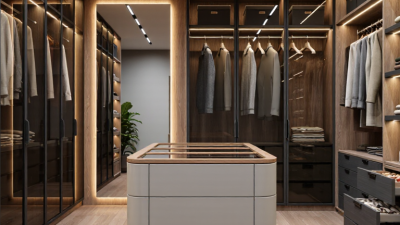
Chinese lifestyle organization products serve different rooms and routines, so category matters more than appearance alone. Kitchen organizers often include drawer dividers, shelf risers, and clear containers. Buyers should check dimensions against cabinet depth and leave space for handles. Bathroom caddies need drainage, stable bases, and materials that tolerate regular moisture. Small details matter.

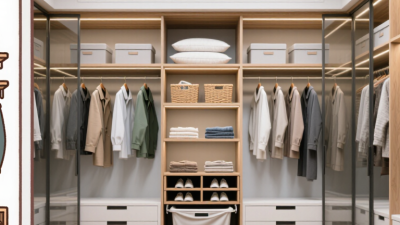
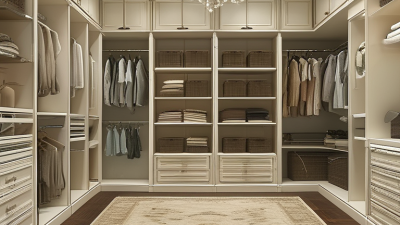
For closets and bedrooms, fabric bins, hanging organizers, and stackable boxes suit clothing, linens, and seasonal items. A firm frame helps a bin hold its shape on a high shelf. In entryways, hooks and shoe racks reduce floor clutter, but their capacity should match household traffic. Fit comes first. Compact designs can save space, yet narrow openings may make stored items awkward to reach.

When comparing suppliers, request measurements, material specifications, load guidance, and clear photos of seams, hinges, or connectors. Test samples with the objects they will hold; a divider that shifts under everyday use is not a practical solution. Packaging also matters for international shipment, especially for products with rigid parts. Some designs look efficient in a catalogue but feel fiddly at home. That is worth questioning, not overlooking. A useful range balances easy cleaning, simple assembly, and sizes suited to real storage spaces.

Evaluating Materials, Design, Quality, and Safety Standards

For global buyers, material choice should match the room, load, and cleaning routine. A polypropylene drawer bin is light and easy to wipe, while a powder-coated steel rack may handle heavier pantry items. Bamboo adds warmth, but buyers should check for smooth edges, stable joints, and clear care instructions. Looks matter. So does daily use.

Ask suppliers for material specifications, sample units, and recent test documentation. Do not rely on a product photo alone. In person, check whether a bin flexes under pressure, whether seams catch fabric, and whether a rack rocks on a level surface. Small details count. A rough edge can snag a sleeve. Check coatings and finishes, too, especially when products will sit near food or children’s belongings. Requirements differ by destination market, so confirm applicable safety and labeling rules with qualified local resources. A test report is useful only when it matches the exact product and material. I have seen attractive samples that felt less sturdy after repeated handling; that gap deserves attention. Compare stated load limits with practical use, and keep written records of revisions, inspection results, and packaging changes.

China Best Lifestyle Organization Ideas for Global Buyers - Evaluating Materials, Design, Quality, and Safety Standards

Indicative product concepts and buyer evaluation benchmarks for sourcing discussions. Specifications are examples, not universal requirements; confirm measurements, test methods, and applicable regulations for the product and destination market.

Organization Idea Typical Materials Indicative Size or Capacity Design Considerations Quality Checks Safety and Compliance Checks Best-Fit Use
Stackable pantry containers Food-contact-grade polypropylene (PP) or polyethylene terephthalate (PET); silicone gasket where an airtight seal is specified 0.5–2.0 L per container; lid and body dimensions should be checked as a complete stack Clear sides for visibility, stable stacking, wide openings, and lids that are easy to remove and clean Check lid fit, leakage under the stated test method, wall consistency, odor, and resistance to cracking after repeated use For food-contact use, request documentation for the intended market, such as applicable EU food-contact rules or relevant U.S. FDA requirements; verify temperature-use limits Dry goods, snacks, and kitchen cupboards
Expandable drawer dividers ABS or PP plastic; bamboo or other wood options; non-slip end pads may use elastomer Common adjustment range: approximately 30–50 cm; verify the proposed range against target drawer sizes Tool-free installation, smooth contact surfaces, secure adjustment lock, and clear fit guidance Measure extension range, inspect joints and end pads, and test movement and retention through repeated adjustment Check for sharp edges, small detachable parts where relevant, and chemical documentation appropriate to the destination market Kitchen, bathroom, desk, and dresser drawers
Foldable fabric storage cubes Polyester or polypropylene nonwoven fabric, with cardboard or plastic support panels Often about 28–33 cm per side; dimensions may vary by shelf system Reinforced handles, collapsible construction, breathable fabric, and panels that stay in place during use Check finished dimensions, seam strength, handle attachment, odor, color consistency, and repeated folding performance Review chemical restrictions relevant to the importing market; assess flammability or other requirements if required for the product’s intended use Closets, open shelving, and general household storage
Under-bed storage bag Polyester fabric with zipper closure; optional clear PVC-free viewing panel Typical capacity: approximately 30–60 L; confirm usable internal dimensions and available under-bed clearance Low profile, reinforced grab handles, smooth-running zipper, and a closure that protects contents from household dust Check zipper cycling, seam strength, handle loading, finished dimensions, and fabric resistance to tearing Confirm material declarations and labeling for the destination market; ensure stated capacity and use claims match test evidence Seasonal clothing, bedding, and lightweight household items
Wall-mounted utility rail with hooks Powder-coated steel or aluminum rail; steel or polymer-coated hooks; mounting hardware selected for the wall type Common rail lengths: approximately 40–80 cm; any load rating should be tied to a defined installation and test method Removable hooks, corrosion-resistant finish, rounded exposed edges, and clear installation instructions Inspect coating coverage, corrosion resistance, hook retention, dimensional accuracy, and load performance using the specified fixings State the tested load and installation conditions clearly; warn buyers that wall material and anchors affect safe performance Entryways, laundry areas, garages, and cleaning-tool storage
Modular closet shelving unit Powder-coated steel, laminated engineered wood, or a combination of metal frame and shelf panels Example configuration: 60–90 cm wide; shelf spacing and total height should be confirmed for the target market Adjustable shelves, stable feet, understandable assembly instructions, and compatible replacement components Check panel flatness, hole alignment, fastener fit, finish quality, and stability under the declared loading arrangement Evaluate stability and anchoring needs, especially for tall freestanding units; check applicable furniture-safety rules in the destination market Bedrooms, utility rooms, and wardrobe interiors
Rotating countertop organizer PP or ABS tray with stainless-steel or plated-metal bearing components Typical diameter: approximately 25–35 cm; verify clearance for nearby cabinets and appliances Raised rim, smooth rotation, removable tray where practical, and a non-slip base Check rotation under load, wobble, bearing noise, surface finish, and resistance to staining from intended household products For food-contact use, verify material suitability and documentation; otherwise, provide clear use and cleaning instructions Spices, toiletries, craft supplies, and small household items

Selecting Suppliers and Planning International Purchases

Global buyers should compare suppliers on consistency, not just unit price. Send a clear brief covering dimensions, materials, colors, carton quantities, and acceptable defects. Request a production sample and check seams, finishes, and packaging before placing a large order. Small details matter. A drawer organizer that arrives warped can erase apparent savings.

The World Bank’s 2023 Logistics Performance Index assessed 139 economies. It compares customs, infrastructure, shipment arrangements, logistics competence, tracking, and delivery timeliness. Use these factors to assess a supplier’s shipping options and export experience. UNCTAD reported that maritime trade grew 2.4% in 2023; route disruptions can still affect costs and transit times. Build a buffer into delivery plans. Calculate landed cost, including freight, insurance, inspection, and destination charges. Confirm lead times, carton dimensions, minimum order quantities, and payment milestones in writing. A low quote can be misleading when packaging or freight assumptions are unclear. I would not treat one successful sample as proof of every future batch.

Tips: Ask for recent product photos and a written packing specification. Compare quotes using the same delivery terms. Keep a small time buffer; schedules slip.

1 5