What Are the Best Home Improvement Trends in China?

Home improvement trends in China reflect changing lifestyles, limited urban space, and growing attention to comfort and efficiency. In many city apartments, a narrow balcony may become a laundry area, reading corner, or small garden. Homeowners are also rethinking kitchens, storage, lighting, and flexible rooms as family needs shift. These changes are practical, but they are not identical from one household to another.

Smart-home features, energy-conscious upgrades, durable materials, and designs that support older residents are gaining attention. Yet a connected thermostat or voice-controlled light is useful only when it fits daily routines. Good renovation decisions also depend on a home’s age, layout, local climate, and budget. A bright, open plan may suit one family and frustrate another.

This guide explores which home improvement trends are worth considering in China, and why. It looks beyond attractive photos to examine function, maintenance, and long-term comfort. Small details matter: where shoes collect near the entrance, whether a bathroom stays well ventilated, and how sunlight reaches a desk. Some popular ideas may not work as promised. That deserves a second thought. The goal is not to copy every new style, but to choose improvements that make a home more useful, comfortable, and suited to the people living in it.
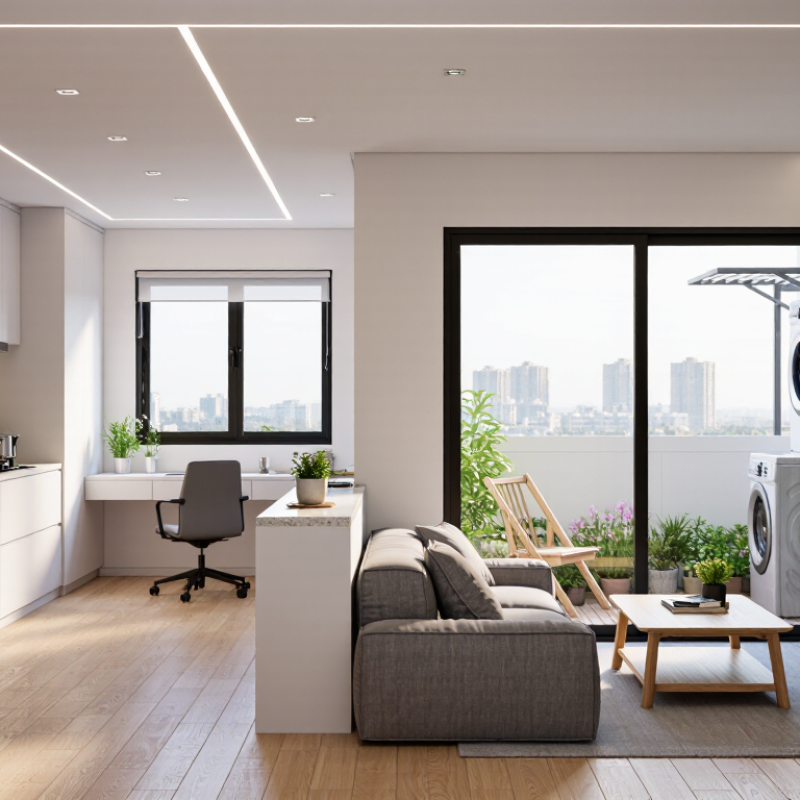
What Are the Best Home Improvement Trends in China?

Defining the Best Home Improvement Trends in China

The best home improvement trends in China should be defined by measurable daily value, not showroom novelty. A useful upgrade makes a home safer, more comfortable, easier to maintain, or less wasteful. China’s National Bureau of Statistics reported that the urban population reached 66.16% in 2023. That figure supports attention to existing city homes, where space, noise, and ventilation needs differ. In practice, improvements might mean quieter windows beside busy roads, better bathroom ventilation, accessible storage, and flexible lighting. Small changes count.

Energy performance also deserves weight. The International Energy Agency’s Buildings report estimates that buildings account for about 30% of global final energy use. For Chinese apartments, practical responses include sealing leaky window frames, shading west-facing rooms, choosing efficient lighting, and checking ventilation before adding insulation. These details can reduce discomfort without turning every room into a renovation site. Still, I would not call every connected switch an improvement. A sensor is useful only when residents can override it easily and repair it affordably. The definition should include lifecycle cost, indoor air quality, and whether older family members can use the space safely. Trade-offs remain.
Adapting Renovations to Regional Homes and Lifestyles

Chinese homes rarely share one renovation checklist. In northern cities, long heating seasons make insulated windows, sealed entry doors, and easy-to-clean floors practical priorities. In humid southern areas, ventilation matters more than adding decorative wall panels. A quiet exhaust fan near a bathroom can help, but it cannot fix a persistent leak. Small details matter.

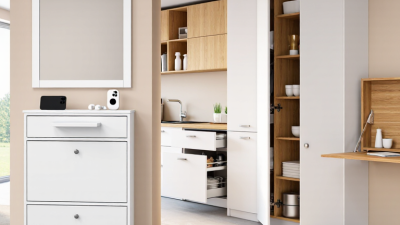
Apartment size and daily routines shape choices too. In a compact urban flat, sliding doors can free floor space, while shallow storage near the entrance keeps shoes and parcels from spreading into the living area. Measure appliances and doorways before ordering cabinets; a few centimeters can cause an expensive mismatch. For multigenerational households, consider a bedroom near the bathroom and clear, well-lit paths at night. Not every open-plan layout suits a family that needs privacy or different sleep schedules.

Local weather should guide materials. Coastal homes may need moisture-resistant finishes and regular checks around window frames. In colder regions, draft control can improve comfort without changing the whole heating system. Rural homes may have older wiring or uneven floors, so a qualified inspection is worth budgeting for before cosmetic work begins. Renovation plans often look neat on paper. Real homes are less obedient. A small repair allowance helps when hidden dampness or outdated pipes appear, though it may not cover every surprise.

What Are the Best Home Improvement Trends in China? - Adapting Renovations to Regional Homes and Lifestyles

Improvement Trend Best-Fit Regions and Homes Typical Renovation Measures Lifestyle Benefit Planning Considerations
Better insulation and window performance Northern and northeastern cities with cold winters; older apartments with drafty windows or uneven indoor temperatures. Seal air leaks, improve window weatherstripping, add suitable insulated glazing where feasible, and insulate exposed walls or roofs when the building allows it. Helps reduce drafts and heat loss and can make rooms more comfortable during the heating season. Check façade rules and building-management approval before changing exterior windows. Insulation details should address condensation and ventilation.
Shading and passive cooling Hot-summer regions, including many homes in central and southern China, especially apartments with strong afternoon sun. Use interior or approved exterior shading, solar-control curtains, appropriately selected glazing, ceiling fans, and cross-ventilation where the layout permits. Can limit direct solar heat and improve comfort without relying entirely on air conditioning. Do not block required ventilation or emergency access. The most suitable approach depends on window orientation, local climate, and building rules.
Moisture and mold control Humid coastal and southern areas, rainy regions, and bathrooms, kitchens, or poorly ventilated rooms in any climate. Repair leaks, use moisture-resistant finishes in wet areas, improve bathroom exhaust, and provide appropriate ventilation and drying space. Supports a drier indoor environment and helps protect finishes, cabinetry, and stored belongings. Identify and fix the moisture source before covering affected surfaces. Waterproofing and plumbing work should follow applicable local requirements.
Flexible storage and space-efficient layouts Compact urban apartments and homes shared by multiple generations or used for work and study. Add built-in storage, make better use of vertical space, choose movable or multi-purpose furniture, and define zones with lighting or storage rather than unnecessary walls. Improves day-to-day organization while keeping limited floor area adaptable to changing needs. Preserve safe circulation and natural light. Do not remove structural walls or alter shared building elements without professional assessment and approval.
Age-friendly, step-conscious design Multigenerational households and homes intended to remain usable as residents age. Improve lighting, reduce trip hazards, add slip-resistant flooring in wet areas, provide secure grab-bar backing, and make frequently used storage easier to reach. Makes everyday movement and bathroom use more manageable for older residents and people with limited mobility. Keep routes clear and select support locations based on the resident’s needs. Structural reinforcement and wet-area work should be properly assessed.
Efficient heating, cooling, and ventilation controls Homes with long heating or cooling seasons, rooms used at different times, or uneven temperatures between spaces. Service existing equipment, seal ducts where applicable, use room-level controls if compatible, and pair mechanical systems with effective ventilation. Can improve comfort and help avoid conditioning unused rooms unnecessarily. Choose equipment and controls compatible with the building’s existing systems. Maintain safe ventilation and follow installation requirements.
Water-saving fixtures and leak prevention Homes in water-stressed areas, older properties with aging plumbing, and households seeking easier-to-maintain bathrooms and kitchens. Repair dripping taps, install efficient faucets or shower fittings, and replace worn flexible hoses and seals with suitable components. Reduces avoidable water use and helps prevent damage from small, unnoticed leaks. Confirm water pressure and pipe compatibility before selecting fixtures. Plumbing alterations should be completed by qualified tradespeople.
Lower-emission materials and durable finishes Renovations in any region, particularly occupied homes where residents need to manage dust, odors, and disruption. Choose materials with clear emissions and safety documentation, favor durable easy-clean surfaces, and plan dust control and ventilation during construction. Supports a more comfortable renovation process and can reduce the frequency of finish replacement. Follow product instructions and local standards. Allow appropriate ventilation and curing time before regular occupancy.

Integrating Smart Technology and Energy-Efficient Features

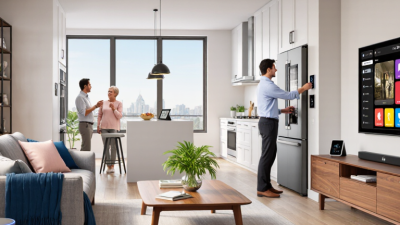
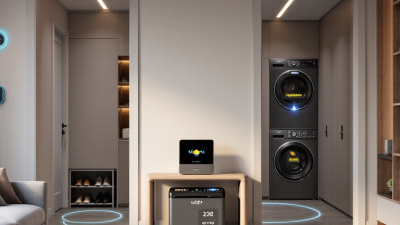
In China, smart home upgrades are most useful when they solve everyday problems: an empty room with lights still on, or an air conditioner cooling a vacant apartment. The International Energy Agency’s 2023 buildings analysis estimates that buildings use about 30% of global final energy and produce 26% of energy-related emissions. That makes efficiency more than a design trend. Motion sensors, scheduled heating and cooling, and room-by-room controls can reduce avoidable use, especially in homes with irregular occupancy.

Connected devices work best alongside sound building basics. Insulated windows, sealed gaps around doors, and exterior shading help keep rooms comfortable before automation is added. Climate matters: humid southern cities may need careful ventilation, while northern homes often benefit from improved insulation during heating seasons. A simple test is to check for drafts near a window on a windy evening. Small details matter. Smart meters can also help residents compare daily consumption and spot unusual spikes.

There is a catch: connected controls can waste power when poorly configured, and sensors may misread a quiet room as empty. Set clear schedules, review energy data after a few weeks, and adjust settings to match real routines. Some upgrades cost more upfront, and savings vary with the home’s condition and local climate. A thermostat cannot fix a poorly sealed window.

What Are the Best Home Improvement Trends in China?

Smart controls and energy-efficient lighting are practical upgrades for modern homes.

How to read this chart: LED bulbs use at least 75% less energy than traditional incandescent bulbs. ENERGY STAR estimates that certified smart thermostats save about 8% on heating and cooling bills on average. These are distinct benchmarks, not China-specific market measurements; actual savings vary by home and usage.

Sources: U.S. Department of Energy — LED Lighting; ENERGY STAR — Smart Thermostats.

Making Urban Homes More Flexible and Space-Efficient

In many Chinese cities, apartments must support several routines within limited floor space. A dining table may double as a work desk, while a spare room serves as both storage and a guest room. Flexible furniture can help, but it works best when daily movement is considered first. Measure door swings, walking paths, and the space needed to open drawers before choosing foldable pieces.

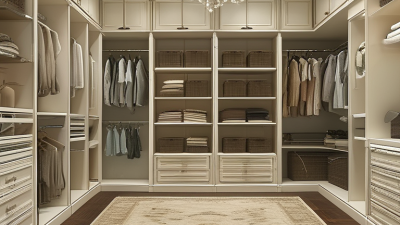
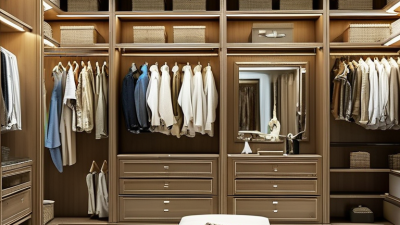
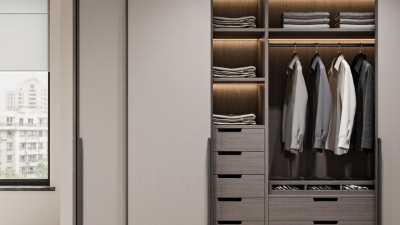
Built-in storage can use awkward corners, yet filling every wall with cabinets may make a small home feel cramped. A mix of closed cupboards and open shelves keeps essentials accessible without displaying everything. Sliding doors can free up floor space, though they may offer less privacy or sound control than hinged doors. Small changes matter. In older apartments, check wall conditions and plumbing locations before planning shelves or partitions; layouts that look simple on paper may require adjustments on site.

Lighting also helps define areas without adding walls. A desk lamp and a rug can mark a work corner, while a clear route from the entrance to the kitchen keeps the room practical. Household needs change, and a layout that suits one family may not suit another. But trade-offs remain: flexible rooms need regular tidying, and movable furniture still takes up space when stored.

Choosing Sustainable Materials and Reliable Renovation Services

In China, a thoughtful renovation starts with materials suited to the home, not just attractive samples. In humid southern cities, poorly chosen timber can warp, while damp-prone bathrooms need careful waterproofing. Bamboo, recycled metal, and reclaimed wood may reduce demand for new resources, but quality and sourcing still matter. Ask suppliers for product details and check whether finishes have clear low-emission information. The label alone is not enough.

Reliable renovation services make those choices easier to verify. Request a written scope that lists materials, labor, costs, and payment milestones. Check the contractor’s relevant qualifications, recent project references, and approach to waste sorting. Get the waterproofing method and repair responsibilities in writing. Small details matter. For apartments, confirm building management rules before work begins, especially for noisy tasks and debris removal.

Visit the site when possible, and keep dated photos of concealed plumbing and electrical work before walls are closed. This creates a useful record if repairs are needed later. Even careful plans miss things. A delivery may be delayed, or a chosen finish may look different under the room’s lighting. Leave time and budget for reasonable adjustments, rather than rushing workers to cover an unexpected problem.

1 5