What Are the 2026 Top Residential Interior Design Trends?
Residential interior design is entering 2026 with a sharper focus on comfort, adaptability, and responsible material choices. Homes are no longer treated as static backdrops. They must support remote work, recovery, entertaining, storage, and changing family needs. The American Society of Interior Designers’ 2025 Trends Outlook highlights wellness, sustainability, and technology as major forces shaping residential spaces. These priorities suggest warmer rooms, better lighting, healthier materials, and more flexible layouts.
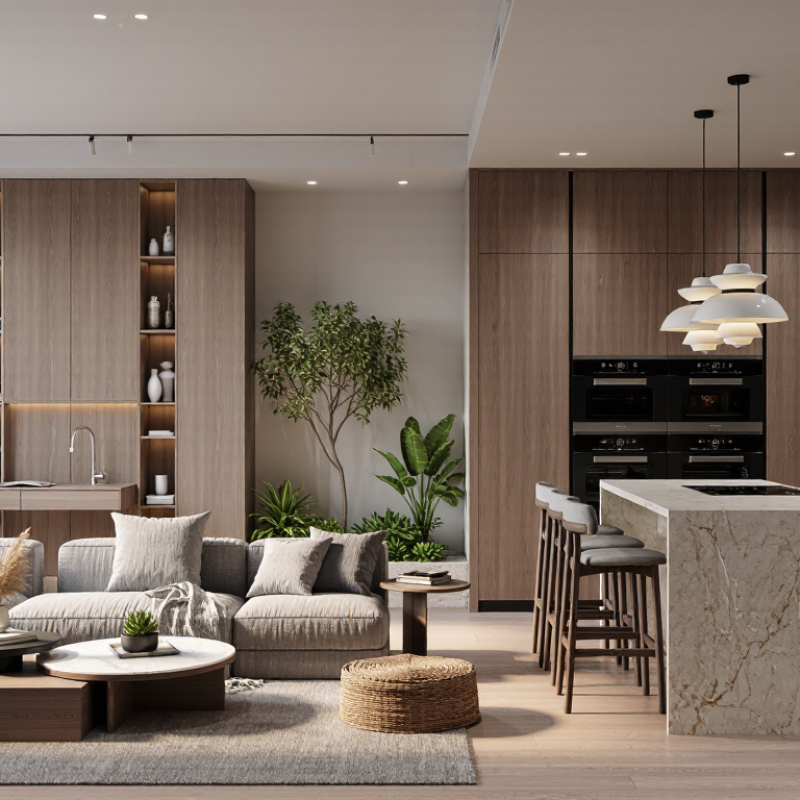
The evidence is practical. Houzz’s 2025 U.S. Houzz & Home Study continues to track substantial homeowner investment in renovations, especially kitchens, bathrooms, and functional living areas. Its findings reinforce a visible shift toward improvements that increase daily usability, not just visual appeal. Meanwhile, the National Kitchen & Bath Association’s 2025 Design Trends Research Report points toward layered lighting, integrated storage, aging-in-place features, and nature-inspired finishes. Picture a kitchen with concealed appliances, deep drawers, soft task lighting, and a stone surface that can handle real family use.
Small details matter.
Designers are also responding to environmental pressure. The U.S. Green Building Council and the International WELL Building Institute continue to emphasize healthier materials, indoor air quality, daylight, and long-term performance. These ideas may influence 2026 interiors through low-emission finishes, repairable furniture, natural textures, and energy-aware lighting plans. Yet forecasts are not guarantees. Some predicted trends will feel ordinary by midyear, while others may fail outside professionally photographed homes. This guide examines the most credible 2026 residential interior design trends, balancing industry evidence with lived experience, practical constraints, and room for honest reconsideration.
Defining the Key Forces Shaping Residential Interior Design in 2026
Residential interiors in 2026 will be shaped less by decoration and more by changing patterns of living. The 2025 Global Wellness Economy Monitor valued wellness at $6.3 trillion in 2023. That scale helps explain the demand for quiet rooms, daylight, natural textures, and better air quality. A bedroom may include a reading chair, dimmable lighting, and acoustic panels. These details support recovery without making the home feel clinical.
Demographic change is another powerful force. The U.S. Census Bureau expects all baby boomers to be over 65 by 2030. Residential designers are therefore planning wider circulation, step-free entries, contrasting surfaces, and adaptable bathrooms. The 2025 NKBA Design Trends Report also highlights aging-in-place, wellness, and connected technology as important design directions. Technology should remain discreet. Voice controls are useful, but physical switches still matter during stress or power loss.
Material responsibility will become more practical than fashionable. The 2025 Houzz & Home Study continues to show strong homeowner investment in renovations, yet budgets remain sensitive to labor and material costs. Reclaimed wood, repairable finishes, and modular cabinetry can extend a room’s life. Not every sustainable choice is automatically beautiful. Some recycled surfaces scratch easily, and low-cost “natural” materials may perform poorly. Designers must test samples, explain maintenance honestly, and accept that a perfect 2026 home does not exist.
Exploring Color, Material, and Texture Trends for Modern Homes
In 2026, residential interiors are moving toward warmer, more grounded color stories. Soft clay, muted olive, chalky blue, and sun-faded terracotta are replacing stark white in many living spaces. These shades feel restful beside daylight, timber, and brushed metal. In design reviews, color performs best when repeated through walls, upholstery, and small ceramic objects. A single accent wall can look isolated.
Material choices are becoming quieter but more deliberate. Homeowners are combining limewashed plaster, natural stone, responsibly sourced timber, recycled glass, and woven plant fibers. The appeal is not perfect uniformity. Small variations in grain and edge detail make a room feel lived in. Textured surfaces also change how light moves across a room during the day. However, sustainability and low-maintenance claims need careful checking, especially in kitchens and busy hallways. Test samples under real cleaning routines.
Layered texture is shaping furniture, curtains, rugs, and wall treatments. Soft boucle, ribbed wood, nubby linen, and hand-finished plaster create contrast without loud decoration. The risk is visual heaviness. Too many tactile finishes can make a small room feel crowded. In practice, designers sometimes specify one texture too many, then remove it after viewing the space in evening light. That correction matters. Trend-led rooms still need practical circulation, comfortable touch points, and honest maintenance expectations. Keep it human.
Understanding Sustainable and Wellness-Focused Interior Design
In 2026, residential interiors are moving beyond decoration toward healthier, lower-impact daily living. Sustainable design begins with material choices, not fashionable color palettes. Reclaimed timber, recycled glass, natural fibers, and low-emission finishes can reduce waste and indoor pollutants. Check product documentation, ventilation needs, and expected lifespan before choosing materials. A beautiful surface is not sustainable if it needs replacement every two years.
Wellness-focused rooms support the body through light, air, sound, and movement.
Larger windows can provide morning daylight, while adjustable curtains prevent afternoon glare. Cross-ventilation matters, especially in bedrooms and compact apartments. Designers should also create quiet corners with soft surfaces, warm lamps, and clear walking paths. In practice, a small reading chair beside a window may improve comfort more than an expensive decorative feature. Keep it simple.
The strongest 2026 interiors may combine durability with emotional warmth.
A repairable dining table, washable slipcovers, and modular storage help homes adapt instead of being discarded. Still, sustainable choices are not always visually perfect. Reclaimed wood may show knots, while natural plaster can change subtly with humidity. That variation requires honest communication with homeowners. I would also question excessive indoor planting when watering demands are high. Wellness should include responsible maintenance, not just a calming photograph.
Comparing Regional Styles and Practical Design Applications
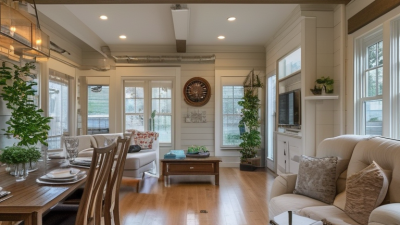
Regional interior design in 2026 is becoming more practical, not simply more fashionable. In North American homes, flexible rooms support remote work, children, and guests. Movable lighting, concealed storage, and washable fabrics matter daily. I have found that open layouts still feel useful, but they can become noisy and visually tiring. A partial wall or sliding screen often improves comfort without losing natural light.
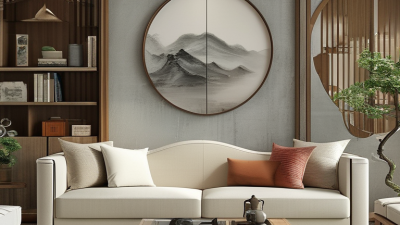
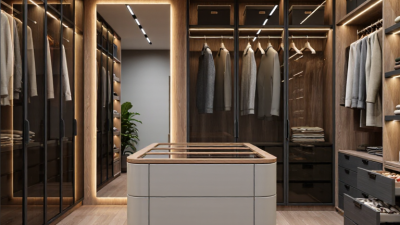
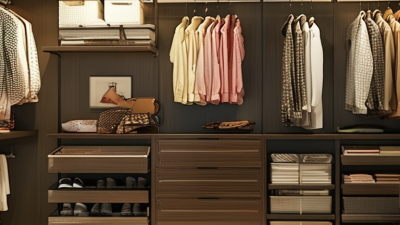
Mediterranean-inspired homes favor textured plaster, timber, stone, and shaded outdoor areas. These materials work well in warm climates, but poorly planned surfaces may require frequent maintenance. In compact East Asian apartments, built-in furniture and raised storage protect valuable floor space. Yet excessive cabinetry can make a room feel tight. Measuring circulation paths before construction remains essential. Small mistakes become expensive.
Nordic interiors continue to use pale colors, daylight, and simple forms, especially in regions with long winters. However, a completely white room may feel cold under artificial lighting. Adding wool, warm wood, and layered lamps creates a more livable atmosphere. My own planning has sometimes overvalued visual simplicity and underestimated cleaning habits. Design decisions should reflect real routines, local weather, and available skills, rather than copied photographs. A beautiful solution that cannot survive family use is not truly successful.