China Top Home Space Optimization Products for Small Homes
Small homes can feel generous when each object has a clear purpose and each walkway stays open. This guide to China’s top home space optimization products explores practical options for apartments, studios, and compact family homes. Expect modular wardrobes, wall-mounted desks, nesting tables, under-bed drawers, and slim kitchen storage. The right choice depends on room dimensions, daily routines, and what needs to remain accessible.
British designer and writer William Morris offered a useful design principle: “Have nothing in your houses that you do not know to be useful or believe to be beautiful.” It still applies to space-saving furniture. A folding desk may free floor space, but only if it is easy to open and sturdy enough for regular work. A tall cabinet can use vertical space, yet block light if placed poorly. Small details matter: door swing, drawer clearance, shelf depth, and the path between a bed and a window.
This overview considers function, materials, adjustability, and fit—not just product photos or clever mechanisms. It also notes where a solution may disappoint. A storage bench can become a clutter box. A transformable table may be more effort than it is worth. Real homes are messier than product listings suggest. Measure carefully, check the product specifications, and leave room for everyday movement.
What Home Space Optimization Products Are and How They Work
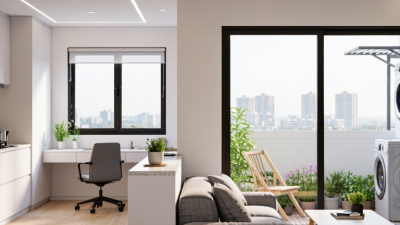
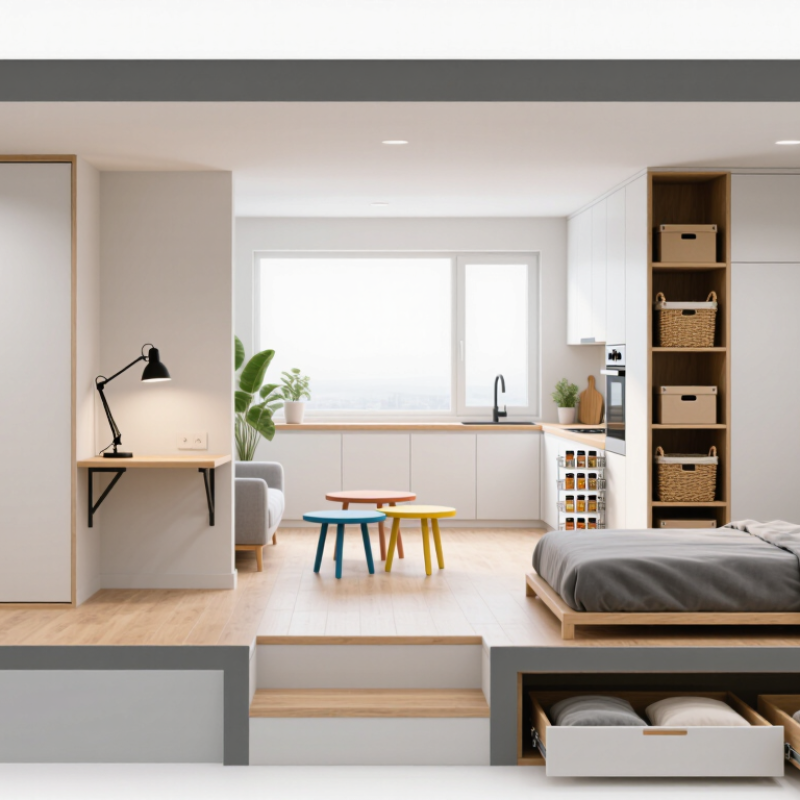
Home space optimization products are designed to make limited rooms easier to use, not to create extra floor area. In small homes, they often rely on three simple ideas: using vertical space, hiding storage, or letting one item serve more than one purpose. A wall-mounted shelf keeps books above a desk, while drawers beneath a bed use space that might otherwise collect dust. A folding table can open for meals and sit flat against the wall afterward.
Small change. Not magic.
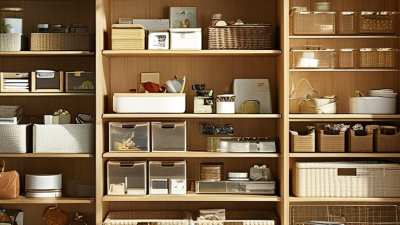
How well these products work depends on the room and the people using them. Measure the wall, doorway, and furniture before buying; even a few centimeters can matter in a narrow hallway. Check weight limits and use suitable fixings for the wall material, especially for shelves holding cookware or books. Clear storage boxes make seasonal clothing easier to find, but deep boxes can become awkward if placed too high.
There is a trade-off. A compact organizer may save space yet make daily items harder to reach. Try mapping the item’s open position with tape on the floor, then consider walking routes, door swings, and access to windows.
This step is easy to skip—and easy to regret.
Main Product Categories for Small Homes in China
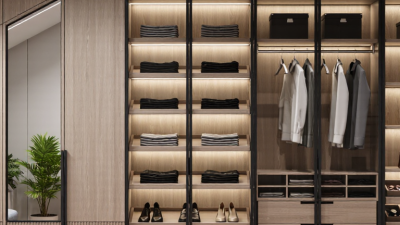
Small-home products in China usually fall into four practical categories: modular storage, multifunction furniture, vertical organizers, and compact kitchen or bathroom fittings. The China Population Census Yearbook 2020 reports urban per-capita housing floor area of about 36.5 square metres. This is a national average, not a typical apartment size; layouts and household needs differ. Still, it helps explain why narrow cabinets, under-bed drawers, and wall-mounted shelves are common choices. Small gains matter.
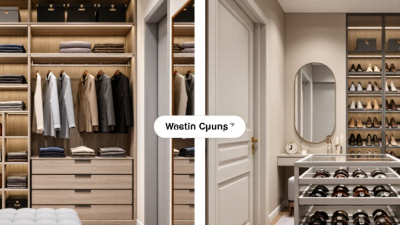
Multifunction pieces include sofa beds, folding dining tables, and storage benches that can keep daily items close without blocking walkways. For kitchens, pull-out baskets and slim carts make awkward gaps useful. In bathrooms, shallow cabinets and over-door racks add storage while preserving floor space. A useful test is simple: measure the door swing, appliance clearance, and walking route before buying. More storage is not always better. A tall cabinet can make a small room feel crowded, and folding furniture may stay unfolded if it is inconvenient to use. The census figure offers context, but it cannot tell buyers which product fits their actual home.
Key Features to Compare When Choosing Space-Saving Products
In a small home, a storage bench can free floor space, but only if it fits the room’s daily routine. Measure the doorway, wall, and open path before buying. A product that looks compact online may block a cabinet when its lid or drawer is open. Leave room to move. Check the listed dimensions against your own measurements, not just the product photo.
Compare usable capacity, weight limits, materials, and how each piece opens. Deep drawers hold bulky bedding, while shallow shelves make small items easier to see. For a narrow kitchen, a slim rolling cart may help, but its wheels should lock securely. Look for smooth edges, stable joints, and clear care instructions. If a folding table feels flimsy in person, trust that impression; saving space is not worth an unstable work surface. I sometimes underestimate how often a piece needs to move. That matters.
Tips: Tape the product’s footprint on the floor before ordering. Test the path around it with a laundry basket or chair. Choose sturdy, easy-to-clean surfaces for items used every day, and confirm assembly requirements before delivery.
China Top Home Space Optimization Products for Small Homes
Compare Standard Mattress Footprints
Mattress size affects how much floor area a bed occupies. Areas shown are calculated from nominal U.S. mattress dimensions; they exclude the bed frame, storage clearance, and access space.
Installation, Daily Use, and Maintenance Considerations
China’s 2020 National Population Census reported an average household size of 2.62 people and 38.6 square metres of housing construction area per urban resident. These figures help explain the appeal of space-saving storage, but they do not make every wall suitable for mounting. Before installing a fold-down desk or wall shelf, identify the wall material and choose compatible fixings. Check the product’s rated load, including stored items, rather than relying on appearance. Measure door swings and walking routes, too. A drawer that opens into a narrow passage quickly becomes a daily nuisance. Measure twice.
During daily use, keep frequently used items within easy reach and avoid overloading moving parts. For renters or older buildings, seek qualified advice before drilling; wall construction can vary even within one home. Once a month, check visible fasteners, hinges, and sliding rails for looseness, unusual noise, or rubbing. Wipe dust from tracks with a dry cloth, and address moisture near metal fittings promptly. Follow the care instructions supplied with each product, since finishes and mechanisms differ. Small flaws matter. I would not assume a product stays safe just because it worked well on installation day. Recheck it after rearranging heavy contents or moving the furniture.