10 Closet Storage Ideas and Tips for Small Spaces

A small closet can become difficult long before it becomes completely full. Shoes gather on the floor, hangers overlap, and seasonal items disappear behind daily clothing. Smart closet storage ideas can improve this situation without requiring expensive renovations or a larger room. The best solutions use vertical space, clear categories, and storage tools that match your actual habits.

This guide explores ten practical ideas for compact closets. They include slim hangers, shelf dividers, hanging organizers, labeled bins, and carefully chosen storage boxes. Professional organizers often recommend measuring the closet before buying anything. That simple step prevents wasted space and unsuitable products. Measure twice. Buy once. In real homes, adjustable systems usually work better than rigid accessories because wardrobes change throughout the year.

Still, no storage method is perfect. A beautiful arrangement may fail if it takes too long to maintain. Deep bins can hide forgotten clothes, while open shelves may collect dust. These details matter. The most reliable approach is to test one small change, observe how it works for a week, and adjust without guilt. Keep frequently used items between eye and waist level. Store rarely used pieces higher, but label them clearly. With realistic choices and regular editing, even a narrow closet can feel calmer, more accessible, and easier to manage.
10 Closet Storage Ideas and Tips for Small Spaces

Assess Your Closet Space and Identify Storage Needs

A small closet becomes easier to manage when its limits are measured honestly. Record its width, depth, height, door swing, and usable wall space. Check awkward corners and the floor behind the door. A 24-inch depth may suit hanging clothes, but bulky shelves can steal valuable clearance.

Then list what the closet must hold. Separate daily clothes, seasonal items, shoes, bags, laundry, and rarely used pieces. Count each category rather than guessing.

The National Association of Home Builders’ 2024 report found that 60% of buyers considered a walk-in primary closet essential or desirable.

Most small homes cannot provide that luxury, so precise zoning matters more than appearance.

Use the U.S. Environmental Protection Agency’s textile data as a practical warning: Americans generated about 17 million tons of textiles in 2018, while only about 2.5 million tons were recycled.

Your closet is not a warehouse. Before adding storage, identify damaged, unused, or duplicate items. Keep a “question box” for pieces you hesitate to remove, and review it after 30 days.

My own measuring mistakes taught me this: a shelf can look perfect on paper, yet block a door or hide folded clothing. Leave a few inches of breathing room, and test access with real garments before fixing anything permanently.
Declutter Clothing and Categorize Your Belongings

A small closet becomes easier to manage when every item has a clear category. Begin by removing everything, including shoes, bags, and folded clothes. Place each piece on the bed or floor. This makes hidden clutter visible.

Create four groups: keep, repair, donate, and recycle responsibly. Keep daily clothing within easy reach. Store formalwear higher, because it usually needs less access. Separate tops, bottoms, underwear, sleepwear, and seasonal items. Use slim hangers, shelf dividers, and small boxes for accessories. Labeling helps, especially when several items look similar. It also prevents rushed mornings from becoming messy.

Try a simple one-year rule for unworn clothing, but question it carefully. A wedding outfit or winter coat may not be used often. Check its condition, fit, comfort, and real purpose before deciding. I once kept jeans that were too tight because I expected my body to change. That choice wasted valuable space and added daily frustration. Now I keep only clothes that fit my current life. Still, my system is not perfect. Laundry can collect on one chair, and categories sometimes blur. A ten-minute weekly reset helps restore order. Keep one empty section for new belongings, so the closet does not immediately become crowded again.

10 Closet Storage Ideas and Tips for Small Spaces — Declutter Clothing and Categorize Your Belongings
No. Storage Idea Best For How to Use It Space Benefit Typical Setup Time Decluttering Tip
1 Sort Clothing by Frequency of Use Daily, occasional, and seasonal clothing Keep frequently worn items at eye level, place occasional items higher or farther back, and store seasonal pieces separately. Improves access to the active wardrobe 30–60 minutes Remove items that have not been worn in the last 12 months unless they are needed for a specific occasion.
2 Use Matching Slim Hangers Shirts, blouses, trousers, and lightweight jackets Replace bulky or mismatched hangers with slim, uniform hangers and leave a small gap between clothing sections. Can reduce hanger width by about 2–4 cm per item compared with bulky plastic hangers 20–40 minutes Keep one hanger for each garment you regularly wear and avoid filling every available centimeter.
3 Add a Second Hanging Level Short garments such as shirts, skirts, and folded trousers Install a second hanging rod below the existing rod when the closet has enough vertical clearance. Uses vertical space instead of increasing floor area 30–90 minutes Measure the closet before installation and keep enough clearance for garments to hang without dragging.
4 Fold Clothes Vertically in Drawers T-shirts, knitwear, workout clothes, and sleepwear Fold garments into compact rectangles and place them upright so each item can be viewed without disturbing the others. Makes the full drawer contents visible 20–45 minutes Group items by category and remove damaged or uncomfortable clothing before refolding.
5 Use Shelf Dividers and Bins Accessories, folded clothing, bags, and small items Divide wide shelves into smaller zones and label each zone by category, such as scarves, belts, or handbags. Prevents stacked items from leaning and mixing 20–40 minutes Choose containers that fit the shelf depth and avoid storing more than one category in each bin.
6 Install an Over-the-Door Organizer Shoes, scarves, belts, hats, and small accessories Use the back of the closet or room door for lightweight items while keeping the door able to close freely. Adds storage without using shelf or floor space 10–25 minutes Check door clearance first and distribute weight evenly across the organizer.
7 Store Shoes Heel-to-Toe Everyday shoes, flats, and low-profile footwear Place one shoe with the toe facing forward and the other with the heel facing forward to use the full width of the shelf. Improves visibility and can reduce wasted side-to-side space 15–30 minutes Keep only the current season near the entry of the closet and store special-occasion pairs separately.
8 Use Under-Bed Seasonal Storage Coats, knitwear, boots, and rarely used clothing Clean and fully dry clothing before placing it in breathable containers under the bed or on a high closet shelf. Moves low-use items out of the primary closet zone 30–60 minutes Label each container with its contents and review seasonal items before storing them again.
9 Create a Clearly Labeled Donation Box Clothing that no longer fits, suits, or gets worn Keep one accessible box in or near the closet and place potential donations in it immediately. Stops unwanted items from returning to the wardrobe 5–10 minutes to set up Use a simple rule: if an item is uncomfortable, damaged beyond repair, or repeatedly bypassed, review it for removal.
10 Apply the One-In, One-Out Rule Maintaining a small wardrobe over time When a new garment enters the closet, choose one comparable item to donate, recycle, or responsibly discard. Helps keep the total clothing count stable 2–5 minutes per purchase Compare fit, condition, versatility, and frequency of use before keeping both similar items.

Maximize Vertical Space with Shelves and Hanging Systems

Small closets often waste the space above eye level. A practical fix is to install adjustable shelves from waist height to the ceiling. Measure the wall, door swing, and available depth before buying materials. Leave enough clearance for folded clothes and storage boxes. Shelves should be anchored securely, preferably into wall studs or suitable rated hardware. Never rely on adhesive strips for heavy loads.

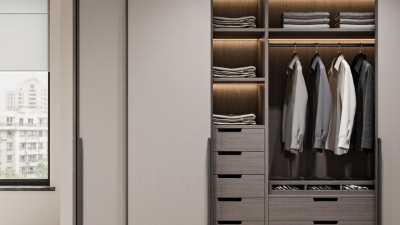
Use a hanging system below or beside the shelves. A double-hanging rod can separate shirts from trousers while keeping the floor clear. Place shorter items on the upper rod and longer garments on the lower one. Hooks on side walls can hold belts, scarves, or tomorrow’s outfit. Keep frequently used pieces between shoulder and hip height.

I learned this the hard way.

An overloaded shelf may bend, even when it looks sturdy. Check the manufacturer’s weight guidance and distribute heavy items across several supports. Slim hangers can create extra room, but they should not be packed tightly. Airflow matters, especially in humid rooms. My own layout is not perfect; the highest shelf is difficult to reach without a step stool. Still, storing seasonal items there makes daily access easier. Recheck screws after several weeks, because walls and hardware can shift slightly over time.

Vertical Space Planning for a Small Closet

Use these practical clearance targets to organize a compact closet. Place frequently used items between waist and eye level, add a second hanging rod for shorter garments, and reserve upper shelves for seasonal or less-used storage.

Use Space-Saving Organizers for Shoes, Accessories, and Small Items

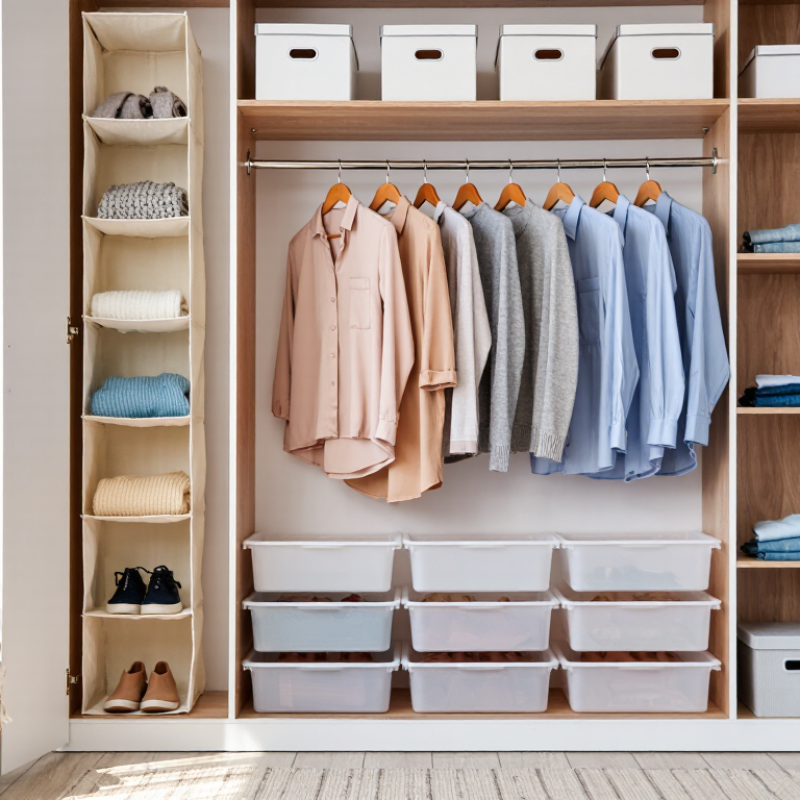
Small closets work better when every item has a defined place. Start with shoes, because they often steal valuable floor space. A slim vertical rack can hold several pairs without blocking the doorway. Store everyday shoes at eye level and seasonal pairs higher up. Leave a little air between them to reduce scuffing and trapped moisture. Flat storage boxes may help, but clear containers make forgotten shoes easier to find.

Accessories need small, visible compartments. Use drawer dividers for belts, scarves, and folded jewelry. A hanging organizer can turn one door into useful storage for sunglasses, hair tools, or small bags. Choose pockets with firm stitching and transparent sections. This makes daily selection faster and prevents items from becoming a tangled pile. Tiny labels can help, although I sometimes label too much and create another chore.

Keep similar objects together. Small bins can hold socks, ties, travel items, or spare buttons. Place rarely used pieces above the main hanging rail, but avoid heavy containers overhead. A professional organizer would also check weight limits before installing hooks or shelves. I once packed a narrow basket too tightly, and the handle broke within a week. That mistake showed me that easy access matters more than maximum capacity. Leave one unused section for new items. Closets change.

Maintain an Efficient Closet Storage Routine

10 Closet Storage Ideas and Tips for Small Spaces

Maintain an Efficient Closet Storage Routine

A small closet works better when every item has a visible home. The National Association of Home Builders’ 2024 What Home Buyers Really Want report lists garage storage among the most desired features, with 67% of buyers rating it essential or desirable. The same principle applies indoors: storage should support daily movement, not merely hide clutter.

Keep one open section for weekly clothing, then group remaining items by use. Add slim hangers, shelf dividers, and a small basket for accessories. Store shoes heel-to-toe to reveal pairs quickly. Place rarely used luggage or seasonal clothing on the highest shelf. Measure before buying containers; a beautiful box that blocks the door is wasted space.

Routine matters more than equipment. Spend three minutes each evening returning clothes, bags, and shoes to their assigned places. Once a week, check the floor and empty the accessory basket. UCLA’s Center on Everyday Lives of Families studied 32 Los Angeles families and connected visible household clutter with higher stress indicators. That finding makes a reset worthwhile, though a closet will never stay perfect.

I still misplace things sometimes.

Use a simple rule: if an item has not been worn in a year, question its place. Keep a temporary review bag, but set a removal date. Otherwise, it becomes another permanent pile. Rotate seasonal pieces every few months, and record what repeatedly remains untouched. Your storage plan should change with your real habits, not an imagined lifestyle.

1 5