
7 Tips for Choosing Odor Control Cat Litter

A litter box can look spotless and still leave a sharp ammonia smell near the hallway. The right Odor Control Cat Litter can help, but no product replaces regular scooping, a clean box, and good airflow. Cat behavior researcher Mikel Delgado has emphasized that a litter box must suit the cat’s preferences. A practical paraphrase of that guidance is: “Choose a litter your cat will comfortably use; odor control comes second.” That distinction matters. A heavily scented formula may smell fresh to people but put some cats off.

This guide explores seven useful details to check before buying: how well litter absorbs moisture, how it handles clumps, whether it traps odors or masks them, and how much dust it creates. It also considers texture, tracking, and the effort needed for daily cleanup. Picture a damp clump breaking apart when lifted, or fine granules collecting on a dark floor. Small details can shape both the room’s smell and your routine.

No litter works perfectly for every home. A product that controls odor in one box may disappoint in another, especially when the box is crowded or cleaning is delayed. That is worth remembering. Compare the label with your cat’s habits, introduce changes gradually, and watch for avoidance or mess outside the box. The best choice is not always the strongest-smelling one. It is the option that keeps the box comfortable, manageable, and fresher between cleanings.
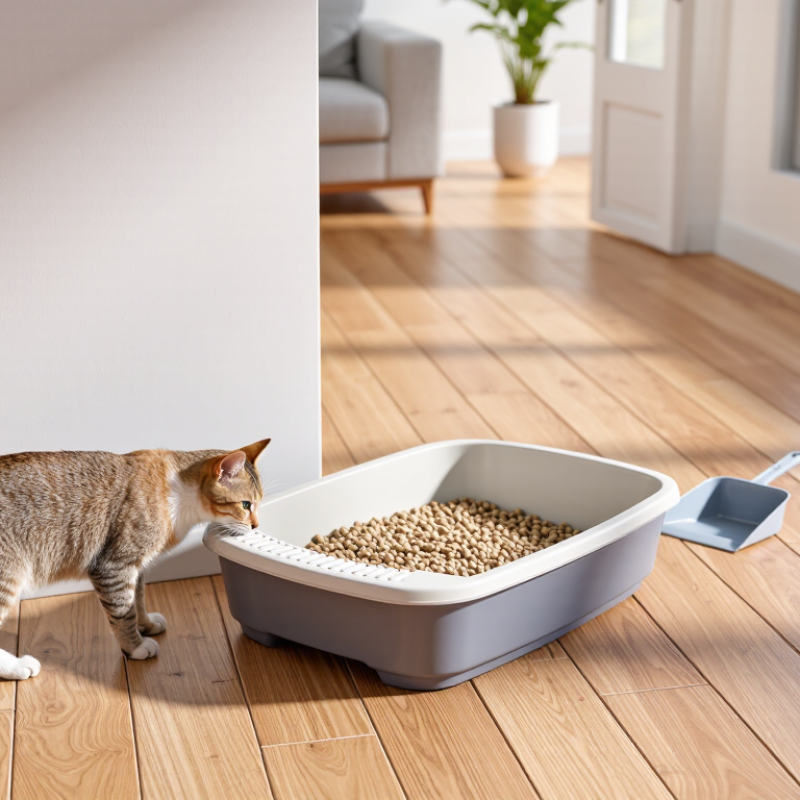
7 Tips for Choosing Odor Control Cat Litter

How Odor-Control Cat Litter Manages Smells

Odor-control cat litter manages smells by trapping moisture and reducing the compounds that form as waste sits. Many formulas use absorbent minerals, clumping agents, or odor-binding ingredients such as activated carbon. These materials can help, but they do not make a litter box odorless. A sharp ammonia smell often means waste needs removing or the box needs cleaning. Keep the box in a ventilated area, away from food and water bowls.

Tip: Scoop at least once daily. Remove wet clumps and solids promptly, then check the corners where waste can stick. A covered box may contain some odors, but it can also hold them inside; your cat’s preference matters more than appearances.

Tip: Match the litter to your cat. Unscented litter may suit cats that avoid strong fragrances, while some households prefer a mild scent. Change types gradually, mixing a little new litter with the familiar kind. Watch for avoidance or changes in box habits. I have found that strong perfume can seem helpful at first, then become tiring in a small room. No formula replaces regular washing, and even good routines can need adjustment.

Compare Litter Materials and Odor-Absorbing Ingredients

Clumping clay, usually bentonite, forms scoopable wet patches and can make daily cleaning easier. The U.S. Geological Survey’s Mineral Commodity Summaries 2024 estimated U.S. bentonite mine output at 4.6 million metric tons in 2023. That figure describes mineral supply, not litter quality or odor control. Silica-gel crystals absorb moisture into their pores, while paper, wood, and corn-based litters vary in texture and clumping. A litter that feels dusty or scratchy to your cat may fail, even if its odor claims sound impressive. Small details matter.

Check the odor-absorbing ingredients, not only the base material. Baking soda can help neutralize some acidic odors; activated carbon can adsorb odor compounds on its porous surface. Results depend on the product’s formula and how often waste is removed. Perfume mainly masks smells, and a strong scent may bother sensitive cats. I would not treat any ingredient as a guarantee. Try a small bag first, then check the box after several days: note damp clumps, lingering ammonia-like odor, and dust on the mat. If odor returns quickly, scoop more often before changing materials. That is not always convenient, but it helps separate a cleaning problem from a litter problem.

Choose a Formula That Fits Your Cat and Household

Odor control starts with a formula your cat will actually use. A highly scented litter may seem effective near the box, but some cats avoid strong fragrances. Watch your cat’s behavior: sniffing, scratching, and returning comfortably matter more than a covered smell. If you change the texture or material, mix the new litter with the old over several days. Slow changes help reveal a preference. A sudden switch can muddy the picture.

Your household matters too. In a small apartment, dust and fragrance may linger, so a low-dust, unscented formula could be more comfortable. A larger home may offer better airflow, but the box still needs regular scooping. Clumping litter can make waste removal easier; non-clumping options may suit cats who dislike certain textures. There is no perfect formula for every home. It is easy to overvalue a fresh scent and overlook how your cat responds. Give a new choice time, and keep an eye on both odor and box habits.

7 Tips for Choosing Odor Control Cat Litter - Choose a Formula That Fits Your Cat and Household

Tip What to Look For May Be a Good Fit When Practical Check
1. Start with your cat’s preference Consider texture, scent, and whether your cat is comfortable with the litter already in the box. Your cat is hesitant to use the box or has a history of rejecting certain litter types. Introduce a new formula gradually by mixing it with the familiar litter. Watch for changes in box use.
2. Compare scented and unscented formulas Some litters use added fragrance to mask smells; unscented options address odor without added perfume. Your cat or household members are sensitive to strong fragrances, or your cat avoids scented litter. Choose a mild or unscented formula if fragrance seems to bother anyone in the household.
3. Match the material to your needs Common options include clay, silica-based, and plant-based litters. Absorbency, texture, dust, and disposal instructions vary. You have preferences around weight, tracking, material, or how the litter is handled after use. Check the package for material details and disposal directions; do not assume litter is flushable.
4. Look for odor-control ingredients Some formulas use absorbent materials such as activated carbon or mineral additives to help manage odors. You want odor control without relying only on a strong fragrance. Compare the ingredient or product information, then assess odor performance in your own home.
5. Consider clumping and cleanup Clumping litter forms removable clumps when wet; non-clumping formulas absorb moisture differently. You want to remove urine and waste regularly, or prefer a particular cleaning routine. Check whether the litter works with your scooping routine and follow the package guidance for litter depth.
6. Check dust and tracking Dust levels and how much litter sticks to paws differ by formula and can also depend on the litter box area. Your household has dust sensitivities, or litter is frequently carried beyond the box. Choose a lower-dust option if needed and use a litter mat; observe the result after switching.
7. Pair the litter with good box care Even odor-control litter needs regular scooping, periodic litter replacement, and a clean, well-placed box. You need more consistent odor control across a shared or multi-cat household. Scoop at least daily when possible, keep boxes in a ventilated area, and provide one box per cat plus one extra when space allows.

Assess Dust, Tracking, and Ease of Cleaning

Tip 1: Check the dust before judging odor control. Pour a small amount into a clean tray and watch for a visible cloud. Low-dust litter can make nearby shelves and floors easier to keep clean. If anyone at home is sensitive to dust, compare products cautiously and stop using one that causes irritation. It is not always obvious from the label.

Tip 2: Look at what leaves the box. Fine granules may cling to paws and show up beside the litter mat, while larger pieces may track less but feel different underfoot. Try a small bag before changing the whole box. A mat with a textured surface can catch some litter, though it still needs shaking out.

Tip 3: Make cleaning part of the odor test. Scoop daily, then check whether wet clumps break apart or stick to the pan’s corners. Firm clumps are usually easier to remove without leaving scraps behind. Scrape gently; rough digging can damage some pans. Keep the litter at the depth recommended on its packaging, since too little may let waste stick. Even good odor control needs regular cleaning.

Test Performance and Maintain the Litter Box Properly

A strong odor-control claim needs a simple home test, not a quick sniff at the bag. Keep the same box, litter depth, and room conditions while testing one product at a time. Scoop at the same time each day, then note odor near the box and at the doorway. Give the trial several days; one unusually strong deposit can skew your impression. That is not a laboratory study, but a short log is more useful than memory.

Care matters just as much as the litter. The AAFP and ISFM’s 2013 feline environmental-needs guidelines recommend one litter box per cat, plus one extra. Place boxes in separate, accessible spots, and remove waste daily. Wash the box with mild, unscented soap when changing litter; strong fragrances can mask odor without removing its source. Keep the area ventilated, but avoid placing boxes beside noisy appliances. Small details count.

Compare clump firmness, dust, and lingering smell after scooping, not scent added to the litter. Follow the product’s stated replacement schedule, since formulas differ. If odor remains despite regular cleaning, check for hidden waste around the box or a box that is too small. My own notes can still be subjective; repeat the test before deciding.

Litter Boxes Recommended by Household Cat Count

A practical part of odor control is keeping enough boxes available for regular use and cleaning.

The chart applies the common guideline of one litter box per cat, plus one extra: for example, a two-cat household should have three boxes. Scoop boxes at least daily and clean them regularly; frequency may depend on litter type and household conditions.

1 5