Why Choose Foil Containers With Lids for Your Food Packaging Needs?
When it comes to food packaging, quality matters. Foil Containers With Lids offer a versatile solution for many culinary needs. These containers provide an effective barrier against moisture, air, and light, which can alter the flavor and freshness of food. Their robust design allows for both baking and reheating, adding to their appeal in both homes and restaurants.
Using Foil Containers With Lids also promotes convenience. They stack easily, saving space in storage. Additionally, they are lightweight yet sturdy, making them transport friendly. This makes them a popular choice for catering and meal prep. However, it's essential to consider the environmental impact of aluminum use. Choosing eco-friendly options is crucial for responsible packaging.
Moreover, while these containers are durable, some may struggle with heat retention. Finding the right balance in insulation can be a challenge. Ultimately, Foil Containers With Lids present an array of benefits that can enhance food preservation. Evaluating their advantages and drawbacks ensures a more informed decision for your food packaging needs.
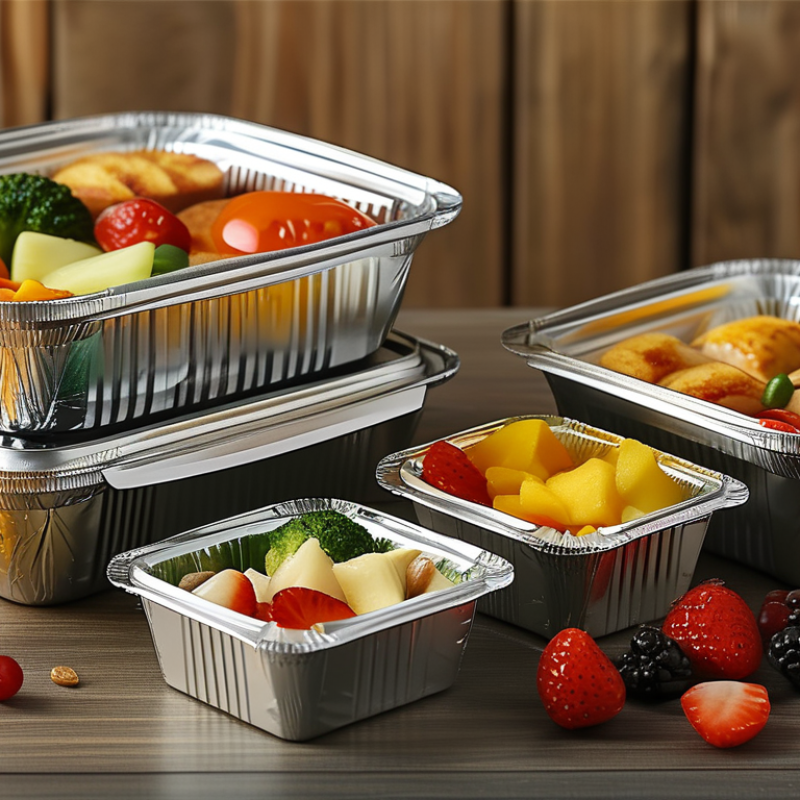
Benefits of Using Foil Containers with Lids for Food Preservation
Choosing foil containers with lids can significantly enhance food preservation. These containers provide a sturdy barrier against moisture and air. In doing so, they keep food fresher for longer periods. They are especially effective for both hot and cold foods. The shiny surface reflects heat and helps maintain temperature.
Another benefit is convenience. Foil containers can often be made in various sizes. This versatility makes them suitable for everything from single servings to large meals. Their lightweight nature also makes them easy to transport. However, some might find them less eco-friendly compared to alternatives. Recycling foil is not as straightforward, which is an important consideration.
The tight-fitting lids ensure that food stays sealed. This reduces the chance of spills and contamination. Users often appreciate the ease of reheating food directly in the container. Yet, it's crucial to monitor the heat settings to avoid warping. Reflecting on these points can guide more mindful choices in food packaging.
Impact of Foil Containers on Food Shelf Life and Safety Standards
Foil containers with lids play a significant role in preserving food quality. They are known for their excellent barrier properties against moisture and air. This helps keep food fresh for longer periods. When sealed properly, these containers can extend the shelf life of a variety of foods, from leftovers to frozen meals. Many chefs and food service providers trust them for their reliability.
Food safety is crucial in the culinary world. Foil containers are non-toxic and safe for food storage. They can withstand a range of temperatures, making them ideal for hot and cold items. However, it’s important to avoid using foil for overly acidic foods. The high acidity can lead to chemical reactions that affect food safety. Users should be aware of these limitations to ensure they maintain safe food practices.
In addition, proper sealing is key to maximizing freshness. If lids are not secured tightly, air may enter and spoil food. Regularly checking the condition of containers is vital. This attention to detail enhances food safety and quality over time. Overall, utilizing foil containers with lids can be a reliable choice, but attention to specific guidelines is essential for achieving the best results.
Cost-Effectiveness of Foil Containers in Commercial Food Packaging
Cost-effectiveness is a crucial factor for businesses in food packaging. Foil containers with lids are often a smart choice. According to industry reports, they provide a balance of affordability and practicality. When compared to glass or plastic, foil containers typically cost 30-50% less. This can lead to significant savings, especially for large-scale operations.
Another solid point is the reduced waste associated with foil packaging. A recent study indicated that over 20% of food packaging waste comes from materials that cannot be easily recycled. Foil containers, however, are recyclable and reduce landfill impact. This aligns with sustainable practices, a priority for many food businesses today. Additionally, the superior insulation properties of foil minimize food spoilage, leading to further cost savings in inventory management.
Many businesses still overlook these benefits. The initial purchasing costs can be tempting to ignore. Yet, companies may miss the long-term advantages. Foil containers also allow for easy stacking and storage, saving space in crowded kitchens. Such factors contribute to an overall efficient workflow. The choice of packaging can define the success of a food business. More operations should consider this role seriously.
Cost-Effectiveness of Foil Containers in Commercial Food Packaging
This chart illustrates the cost-effectiveness of using foil containers with lids compared to other packaging options in commercial food packaging. The data represents average costs per unit for various food packaging types.
Environmental Considerations: Recyclability of Foil Containers with Lids
When considering food packaging, foil containers with lids stand out for their environmental benefits. These containers are highly recyclable. Many recycling facilities accept aluminum, allowing it to be reused multiple times without losing quality. This trait significantly reduces waste in landfills and conserves energy.
Tips for recycling foil containers include rinsing them to remove food residue. A clean container is easier to process. Flattening the containers can also save space in recycling bins. Always check local regulations, as recycling rules can vary by area.
Another aspect to consider is the production process. Although aluminum mining can have environmental impacts, using recycled aluminum cuts those emissions by 95%. This demonstrates a commitment to sustainability. However, not all consumers understand how to recycle properly. Education on proper disposal is essential. Creating awareness can lead to better recycling rates and minimal environmental footprints.
Consumer Preferences: Market Trends in Food Packaging Solutions
As the food packaging industry evolves, one clear trend emerges. Consumers increasingly prefer eco-friendly and convenient packaging solutions. A recent report by the Food Packaging Institute revealed that 72% of consumers consider sustainability when choosing packaging. This growing awareness influences purchases, pushing brands to adopt more environmentally responsible practices.
Foil containers with lids are gaining traction for several reasons. They offer durability while also being recyclable, aligning with consumer demands. A survey conducted by Packaging Strategies noted that 65% of respondents appreciate resealable and easy-to-use features in packaging. Foil containers cater to this demand, allowing for portion control and easy transport.
However, not all consumers are completely satisfied. Some express concerns about potential chemical leaching from packaging materials. This highlights the importance of transparency in the industry. Brands must invest in high-quality materials and provide clear information on safety standards. By addressing these concerns, companies can enhance their credibility and better meet consumer expectations in food packaging.