
Choosing among the 10 Best Surface Mounted Lights for Global Buyers requires more than comparing wattage and appearance. A Surface Mounted Light can brighten a hallway, warehouse, hotel room, or retail counter without a recessed ceiling. Yet the wrong model may create glare, uneven shadows, or costly maintenance. This guide introduces ten practical options through details buyers can verify. We consider light output, color temperature, beam spread, housing materials, driver quality, and installation access. Small details matter. A slim aluminum body may suit a low ceiling, while a sealed fixture may better withstand dust and humidity. Buyers should also review photometric data, warranty terms, replacement parts, and supplier communication before ordering.
Global purchasing adds another layer of judgment. Voltage range, dimming compatibility, wiring arrangements, and regional certification requirements can affect the final choice. Requirements differ. Always confirm current rules with qualified local professionals and recognized testing bodies. The products discussed are not ranked only by brightness. We also examine energy use, visual comfort, heat control, packaging strength, and long-term serviceability. In my assessment, product photos remain useful but incomplete; a fixture can look premium and still perform poorly in a real ceiling. Sample testing is wiser than trusting a catalog alone. Consider a busy corridor at 7 a.m., where flicker, glare, and slow startup quickly become noticeable. Some recommendations may not fit every budget or climate. That limitation deserves attention. By combining manufacturer evidence, installation experience, and careful specification checks, buyers can make a more dependable decision.
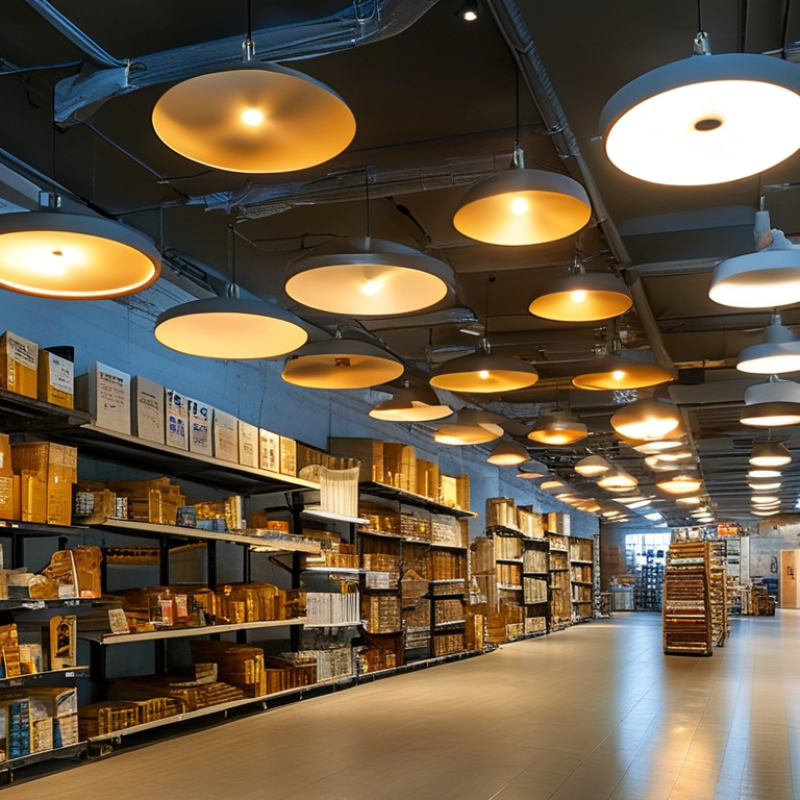
Surface-mounted lights are fixtures installed directly onto a ceiling or wall, rather than placed inside a recessed cavity. Their housing remains visible, often with a slim, round, square, or linear profile. This structure simplifies installation on concrete ceilings, shallow voids, and older buildings where recessed cutting is impractical.
They are used in homes, offices, retail spaces, hotels, schools, corridors, stairwells, and light industrial areas. In my project experience, they work especially well where maintenance access matters. A surface fixture can often be removed without opening the ceiling.
Wet or dusty locations require suitable IP protection, while offices need controlled glare and comfortable color rendering. A bright fitting is not automatically a good fitting.
The International Energy Agency’s Energy Efficiency 2023 report states that lighting represents roughly 15% of global electricity consumption. Efficient LED surface fixtures can reduce operating demand, but results depend on controls, occupancy patterns, and installation quality.
The U.S. Department of Energy’s Solid-State Lighting research reports continuing improvements in LED efficacy, with laboratory devices exceeding 200 lumens per watt under specific conditions.
Real products perform differently. Buyers should check delivered lumens, efficacy, lifetime testing, driver quality, and thermal management. I would also question oversized fittings; too much brightness can create glare, wasted energy, and uncomfortable spaces. A careful trial installation is still worth the effort.
Choosing surface mounted lights requires more than comparing wattage and appearance. The U.S. Department of Energy reports that LED lighting can use at least 75% less energy and last up to 25 times longer than incandescent lighting. That advantage matters in offices, warehouses, corridors, and homes with long operating hours. Still, wattage does not show brightness. Not watts. Compare delivered lumens, beam distribution, and useful light at the working surface.
Check color quality before purchasing. A CRI of 80 suits many general areas, while detailed retail, hospitality, or healthcare spaces may need CRI 90 or higher. The International Energy Agency’s Energy Efficiency 2023 report identifies lighting as roughly 15% of global electricity use, so small efficiency differences can become significant across large installations. Select efficient drivers, but inspect power factor, standby consumption, and dimming compatibility. A low-cost fixture may flicker with an incompatible control system.
Physical construction also deserves close attention. Look for a suitable IP rating in bathrooms, covered outdoor areas, or dusty workshops. Review thermal management, rated lifetime, lumen maintenance, and warranty conditions. A thin metal housing can look elegant, yet poor heat control may reduce performance. I have seen specifications that looked impressive but omitted operating temperature limits. That is a warning. Ask for photometric files, flicker measurements, surge protection details, and independent test reports before approving samples. Install one fixture first, then check glare, shadows, color consistency, and ceiling reflections at different times of day.
Ten surface-mounted light types serve very different buildings and buying conditions. Flush-mount lights suit low ceilings, while semi-flush fixtures add depth without requiring a recessed cavity. LED panels provide broad, even illumination in offices. Linear battens work well above workbenches and corridors. Wraparound fixtures soften shadows in garages and utility rooms. Bulkhead lights resist impact in stairwells and exterior passages. Vapor-tight lights protect against dust and moisture. Track-mounted lights support adjustable retail displays. Puck lights create focused task lighting under cabinets. Modular surface systems help designers arrange several light sources across large ceilings.
The International Energy Agency reports that lighting uses about 15% of global electricity. This makes efficiency more than a marketing phrase. LED surface fixtures can reduce energy demand and maintenance visits, especially in warehouses with high operating hours. The U.S. Department of Energy’s solid-state lighting reports also show continuing progress in LED efficacy and lifetime performance. Still, lumen output alone is not enough. A bright panel can feel harsh on a white desk.
Global buyers should check beam angle, color temperature, glare control, driver quality, and operating voltage. Moist areas need suitable ingress protection under IEC 60529. Ceiling structure matters too. I have seen lightweight fixtures installed with weak anchors, creating avoidable vibration and noise. That detail is easy to miss. Product data sheets may also omit real-world glare results. A small pilot installation, measured at the work plane, is often wiser than a large first order.
Global buyers should treat surface-mounted lights as regional systems, not universal products. Voltage is the first filter: many markets use 220–240V, while North American applications commonly use 100–127V. Frequency also matters, especially in Japan, where 50Hz and 60Hz regions coexist.
A reliable specification sheet should state input voltage, frequency, power factor, surge protection, and operating temperature. The International Energy Agency reports that lighting uses about 15% of global electricity. Efficient selection has real financial value.
Light quality needs local testing. A warehouse in a humid coastal city may require an IP65-rated housing under IEC 60529. A dry office may need less protection but better glare control.
For work areas, buyers should check maintained illuminance, unified glare rating, color rendering, and flicker performance. EN 12464-1 provides useful workplace lighting guidance in Europe, while local building rules may set different limits. A fitting can meet one standard and still feel uncomfortable. I have seen this happen during mock installations.
Tips: Request a sample before bulk ordering. Test it at the actual voltage and frequency. Measure lux at desk height, not only beneath the lamp. Confirm emergency-lighting compatibility separately. Keep replacement drivers available.
A neat spreadsheet can still mislead. Review warranty terms, photometric files, and certification scope carefully. The U.S. Department of Energy notes that LED systems can use substantially less energy than conventional lighting, but savings depend on controls, heat management, and real operating hours.
A safe installation begins with the ceiling, not the light fitting. Check the substrate, load capacity, cable condition, and junction-box position before drilling. Concrete, gypsum board, and timber require different anchors. Use the manufacturer’s fixing method and confirm local voltage, frequency, earthing, and certification requirements. IEC 60598 provides widely used safety requirements for luminaires, but national rules still apply. A qualified electrician should isolate the circuit before connection. Small shortcuts can create large hazards.
Heat management deserves attention. Leave the specified clearance around the housing and driver, especially in insulated ceilings. Do not cover ventilation slots with paint or insulation. The U.S. Department of Energy reports that LED products use at least 75% less energy and last up to 25 times longer than incandescent lighting. However, poor thermal conditions can shorten that expected life. The number looks impressive. Real rooms are less predictable.
Maintenance should include cleaning the diffuser, checking loose screws, inspecting cable entries, and watching for flicker, dark spots, discoloration, or unusual noise. In damp areas, verify the appropriate ingress protection rating rather than relying on appearance. The International Energy Agency estimates lighting uses about 15% of global electricity, so efficient replacement decisions matter. Yet replacing every fitting immediately may create unnecessary waste. Review repairability, spare drivers, glare, and actual operating hours before buying. A bright fixture is not automatically a good fixture.
