
10 Best Bamboo Cooling Mats for Hot Sleepers in 2026

Hot nights can turn a comfortable bed into a warm, restless trap. The National Sleep Foundation’s 2012 Bedroom Poll found that 78% of respondents said a cool room was important for good sleep. That finding does not prove a cooling mat will improve sleep, but it shows why temperature matters to many sleepers. Sleep physician Dr. Michael Breus offers a useful benchmark: “The ideal temperature for sleep is between 65 and 68 degrees Fahrenheit.” A mat is only one part of that environment.

Bamboo Cooling Mats appeal to hot sleepers because they feel smooth and may help manage surface warmth. Yet “bamboo” on a label does not guarantee a cooler night. Fabric construction, mattress heat retention, room temperature, and personal comfort all matter. Some mats also feel slick or less breathable than expected. Small details count.

This guide compares 10 options for 2026, focusing on materials, fit, care instructions, user feedback, and practical comfort—not just cooling claims. Where product details are available, they help explain what each mat may offer. They cannot predict how it will feel in your bedroom. Treat the rankings as a starting point, not a promise. A cooler touch can be welcome; it is not the same as proven sleep improvement.
10 Best Bamboo Cooling Mats for Hot Sleepers in 2026

What Bamboo Cooling Mats Are and How They Help Hot Sleepers

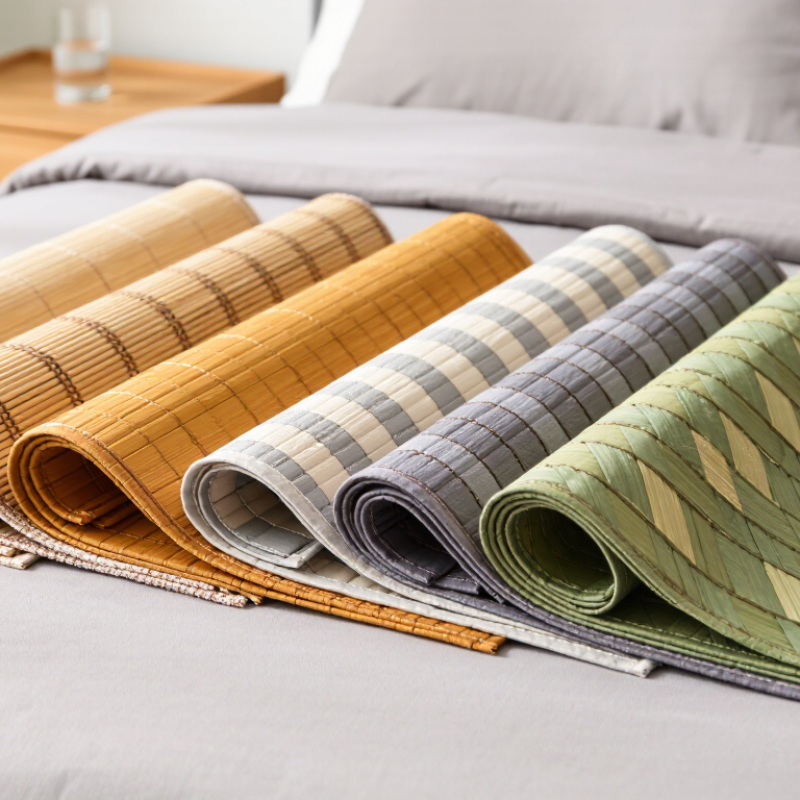
Bamboo cooling mats are not all made the same way. Some use narrow bamboo slats that let air move beneath the body; others use bamboo-derived fabric over a padded core. The surface may feel cool when you first lie down. It does not actively chill like a powered device. Instead, an open weave can reduce trapped warmth, while breathable fabric may help sweat evaporate. Results depend on room temperature, bedding, and how easily you overheat. “Bamboo” alone is not a temperature guarantee.

Check the mat’s construction before buying. A firm slatted style may suit a mattress that feels warm, but it can feel hard against shoulders or hips. A fabric-covered option may feel softer, though a thick filling could limit airflow. Care matters, too: follow the washing instructions, and let a mat dry fully to avoid musty odors. Small details count.

Tips: Try the mat with a light sheet first. Keep heavy blankets folded back, and notice whether you feel cooler after several nights, not just at bedtime. If the surface feels clammy or uncomfortable, adjust the layers. The fit can be imperfect. That is useful feedback.

Materials, Construction, and Cooling Features to Compare

When comparing bamboo cooling mats, look beyond the word “bamboo.” Check whether the cover is bamboo-derived viscose or lyocell, and whether the filling is foam, fiber, or a ventilated structure. Textile Exchange’s Materials Market Report 2024 estimates that polyester made up 57% of global fiber production in 2023. That scale makes clear fiber labeling useful: a bamboo cover does not mean the whole mat is bamboo. Read the full material breakdown.

Construction matters. A smooth, tightly woven cover may feel cool at first, while a lofty filling can trap warmth if air cannot move through it. Feel matters. Compare thickness, quilting, backing, and whether the mat can be used directly on a mattress. Look for cooling claims tied to a stated test method or conditions; vague temperature promises are hard to compare. Moisture-wicking fabric may help with dampness, but it does not necessarily lower the room or body temperature. Care instructions count too: a mat that loses shape after washing is less useful, even if its first-night feel is pleasant. I would not treat a bamboo label alone as proof of cooling.

How to Choose a Bamboo Cooling Mat for Your Bed

When choosing a bamboo cooling mat, start with fit and construction, not the word “bamboo.” Check the mattress dimensions, corner straps, and whether the mat can be washed without losing its shape. Bamboo-derived fabric may feel smooth, but the fiber alone cannot guarantee a cooler night. Weave, thickness, humidity, and airflow all matter. Small details matter.

Look for published fabric test results rather than vague claims. ISO 11092 measures thermal resistance and water-vapor resistance under controlled conditions, useful clues to how a textile handles heat and moisture. The American Society of Heating, Refrigerating and Air-Conditioning Engineers also notes that thermal comfort depends on factors such as air speed, humidity, clothing, and activity. A mat cannot control all of them. If a seller provides no test method, treat cooling claims cautiously.

Consider your own room and sleep habits. The Sleep Foundation commonly recommends a bedroom near 65°F, though personal comfort varies. In a warm, humid room, a thin, breathable mat may feel less clammy than a thick padded layer. Check care instructions, too: frequent hot washing can shorten textile life. I would compare two mats over several nights, noting skin feel and morning dampness; that is imperfect, but more useful than trusting a chilly first touch.

10 Best Bamboo Cooling Mats for Hot Sleepers in 2026

Hot sleepers often notice the same small problem: a warm patch where their shoulders or legs rest. A bamboo cooling mat can add a smoother, cooler-feeling surface, but “bamboo” describes different materials. Some mats use woven bamboo slats; others use bamboo-derived fabric over a padded core. They feel quite different. This guide to 10 options focuses on surface feel, airflow, thickness, care, and how well each mat suits a bed or floor. A breathable weave may help air move, while a cushioned design can feel gentler on pressure points. Neither guarantees a cool night.

Check dimensions before buying, especially if the mat will cover only part of a mattress. Look for clear care instructions, a stable backing, and materials that suit your skin and sleep habits. Small details matter. A thin mat may be easier to store, but it can shift or feel firm; a thicker one may trap more warmth. Consider whether the cover can be cleaned without special steps.

Personal experience varies, and room temperature, bedding, and humidity all affect comfort. I’d compare the construction before trusting a cooling claim. Not magic. The best choice is the one that feels comfortable in your actual sleeping setup and stays practical to maintain.

How to Care for and Maintain a Bamboo Cooling Mat

A bamboo cooling mat may be woven from bamboo strips or made with a bamboo-derived fabric, so check its care label before cleaning. Those materials need different treatment. For routine upkeep, shake out loose dust and wipe the surface with a soft, slightly damp cloth. Use mild soap only when needed, then remove residue with a clean cloth. Less is safer. Avoid soaking the mat or using bleach, which can weaken finishes and fibers.

Dry it fully before putting it back on the bed. The U.S. Environmental Protection Agency advises drying wet items within 24–48 hours to help prevent mold growth. That guidance is not specific to cooling mats, but it’s a useful moisture benchmark. Stand a damp mat on its edge in a ventilated room, away from direct sun and heaters. Heat is the enemy. High temperatures may warp woven slats or damage fabric components.

For fabric-covered mats, follow the label’s washing instructions; some covers are removable, while others are not. Store the mat flat or gently rolled, never tightly folded if it has a rigid structure. Check seams, ties, and surface edges every few weeks for fraying or trapped moisture. A slightly annoying truth: “cooling” does not mean self-cleaning. Regular airing helps, but it cannot replace careful cleaning when sweat or spills leave residue.

1 5