2026 Best Stainless Steel Food Container for Global Buyers?
As the demand for eco-friendly kitchenware surges, the stainless steel food container market is rapidly evolving. According to a report by Market Research Future, the global reusable food container market is projected to reach $8.3 billion by 2026, driven by consumer preferences for sustainable alternatives. Stainless steel food containers are gaining traction due to their durability and recyclability.
Expert in sustainable materials, Dr. Emily Carter, emphasizes, “The shift towards stainless steel food containers reflects a growing awareness of environmental impact.” This insight sheds light on the increasing preference among global buyers for products that support sustainability. Steel containers are not only long-lasting, but they also ensure that food stays fresh without harmful chemicals.
Despite these advantages, challenges persist. Many consumers still question the initial investment cost. Some may find stainless steel containers heavy compared to plastic options. Addressing these concerns is essential for the industry as it moves forward. The path to sustainable kitchen solutions requires continuous improvement and education on the benefits of stainless steel food containers.
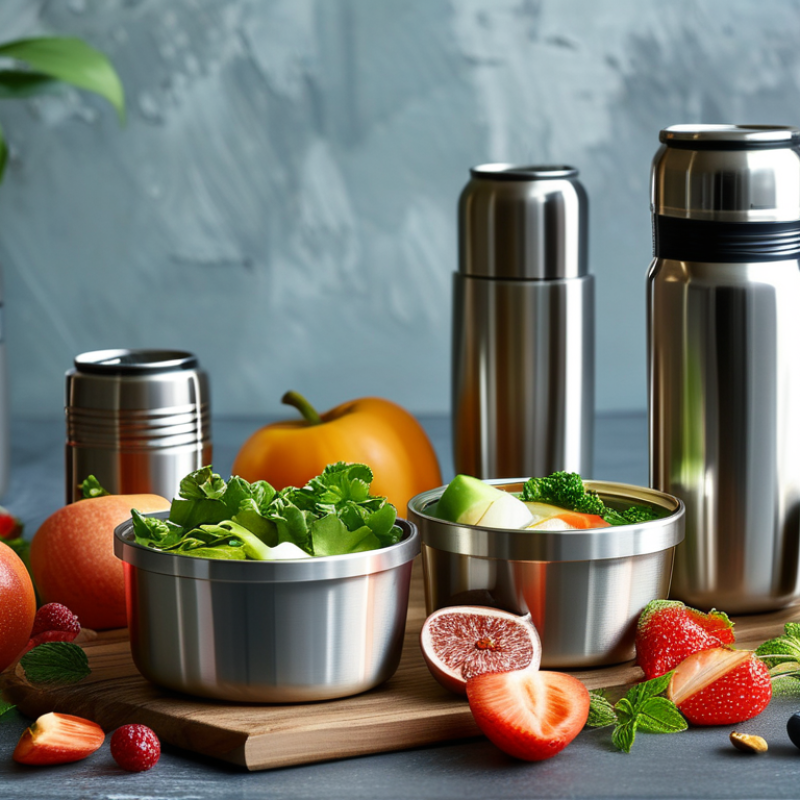
Overview of Stainless Steel Food Containers: Benefits and Popularity
Stainless steel food containers have gained immense popularity due to their durability and eco-friendliness. They offer excellent insulation, keeping food hot or cold for extended periods. Many buyers appreciate that these containers are lightweight and highly portable, making them ideal for on-the-go lifestyles.
What's more, stainless steel is non-toxic. Unlike plastic, it does not leach harmful chemicals into food. This aspect is crucial for health-conscious consumers. However, some may find the initial costs higher than plastic options. It raises a question: Is investing in a higher-quality container worth it for long-term use? Many will discover that stainless steel containers outlast their plastic counterparts.
Furthermore, these containers are easy to clean and can withstand frequent use. They resist staining and odors, which is a significant advantage for those who pack various foods. Yet, some users might worry about the potential for dents and scratches. It’s essential to consider individual needs and usage patterns when selecting the best food container. Overall, stainless steel offers many benefits that are hard to ignore.
Key Features to Consider When Choosing Stainless Steel Food Containers
When selecting stainless steel food containers, several key features come into play. Durability is paramount. Choose containers that withstand regular use without warping or scratching. A good quality stainless steel container will resist dents and rust, ensuring longevity. Look for containers that are lightweight yet sturdy. This combination makes them suitable for various lifestyles, whether for travel or everyday meal prep.
Another crucial aspect is insulation. Double-walled stainless steel containers provide excellent temperature retention. They keep food hot or cold for long periods, making them ideal for picnics or work lunches. Also, check for leak-proof lids. A secure closure prevents spills, maintaining the freshness of food. Consider user-friendly designs, like those with easy-to-open lids and stackable shapes for efficient storage.
Safety is another consideration. Make sure the materials are food-grade and BPA-free. Many containers claim to be safe, but research can help confirm their reliability. While many options exist, the ideal container balances function with safety. Remember to prioritize your specific needs, as this will guide your purchase effectively. Finding the perfect stainless steel food container requires attention to detail and personal preferences.
Top 2026 Brands: A Review of Leading Stainless Steel Food Container Manufacturers
When exploring the market for stainless steel food containers in 2026, it's essential to consider brands renowned for quality and durability. According to industry reports, the global market for stainless steel food containers is projected to grow significantly, reaching over $3 billion by 2026. This growth highlights a rising consumer preference for sustainable and reusable products.
In recent years, many manufacturers have improved their production techniques, emphasizing food safety and insulation properties. Research shows that nearly 70% of consumers prioritize eco-friendliness when choosing food storage solutions. This trend pushes brands to adopt more reliable materials and innovative designs. However, not all products meet stringent safety standards. Some lower-quality containers may not be as durable, leading to potential health risks.
Despite advancements, challenges persist. Variability in product quality remains a concern. Many brands still struggle with consistency in their offerings. This inconsistency can confuse consumers, who seek trustworthy solutions. Reports indicate that around 30% of buyers express dissatisfaction due to performance. As manufacturers strive for improvement, the focus on transparent sourcing and sustainable practices becomes crucial. Balancing quality and affordability is key in winning consumer trust.
2026 Best Stainless Steel Food Container for Global Buyers
| Container Type | Volume (Liters) | Insulation Type | Special Features | Price Range (USD) |
| Lunchbox | 1.2 | Double-Wall Vacuum | Eco-Friendly, BPA-Free | 20 - 35 |
| Water Bottle | 0.5 | Single-Wall | Customizable, Lightweight | 10 - 25 |
| Food Jar | 0.8 | Double-Wall Vacuum | Wide Mouth, Leak-Proof | 15 - 30 |
| Snack Container | 0.3 | Single-Wall | Compact Design, Stackable | 5 - 15 |
| Meal Prep Container | 1.5 | Double-Wall Vacuum | Microwave Safe, Dishwasher Safe | 25 - 40 |
Sustainability and Health Benefits of Using Stainless Steel Food Containers
Stainless steel food containers offer notable sustainability benefits. They are durable and can last for years, reducing waste. Unlike plastic, stainless steel does not leach harmful chemicals into food. This makes it a safer option for meal storage. Many consumers are discovering the health advantages too. Using stainless steel helps reduce exposure to toxins often found in plastic products.
While the benefits are clear, some challenges exist. Stainless steel containers can be heavier than plastic, which might be inconvenient for some users. Additionally, they may cost more upfront. However, these costs are often offset over time. The long lifespan and recyclability make stainless steel a responsible choice for the environment.
It's essential to consider the environmental impact of our choices. Reusable containers not only cut down on landfill waste but also promote a healthier lifestyle. Some people might find stainless steel challenging to clean, but many newer designs are user-friendly. Embracing these containers can be a small step towards sustainability and a healthier future.
User Experiences: Reviews and Recommendations for Global Buyers
When selecting a stainless steel food container, user experiences are valuable. Many buyers appreciate their durability and resistance to rust. There's also the convenience of being dishwasher safe. However, some users find that certain containers retain odors over time. It's essential to clean them thoroughly after use. This is a common complaint, yet it can often be resolved with proper maintenance.
Sustainability is another aspect that users highlight. Stainless steel is a long-lasting material, reducing waste from disposable containers. But, many buyers note the importance of evaluating the manufacturer's eco-certifications. Not all products marketed as sustainable meet high environmental standards. Users have shared that avoiding poorly made containers can prevent issues like leaching or damage.
Another point of interest is the weight of these containers. While some appreciate the solid feel, others find them heavy for daily use. It's a balancing act between sturdiness and portability. Users suggest considering your lifestyle needs before making a purchase. Compatibility with various storage options, whether at home or on the go, is essential. These insights reflect the diverse experiences and considerations of global buyers.